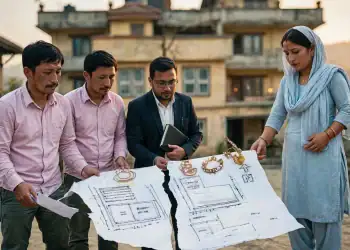
In Chyasmityar, a village in Khotang district, residents fetch water from more than three kilometers away and store it carefully once they get it home. For them, a water tank isn’t a home improvement choice. It’s the difference between having water and not having it. Choosing a water tank in Nepal matters for nearly every household, whether you’re dealing with genuine scarcity, irregular municipal supply, or simply want backup storage for dry season shortages.
However, with plastic, concrete, and steel options all competing for your budget, picking the right type isn’t always straightforward.
This guide walks through exactly which water tank type suits which situation, what each option actually costs in Nepal today, and how to avoid an expensive mistake.
Why Water Storage Matters So Much in Nepal
Nepal’s relationship with water is genuinely paradoxical. According to Expert Sewa’s 2026 buying guide, Nepal is home to more than 6,000 rivers, according to Nepal Parichaya. Yet, according to the Economic Survey of fiscal year 2082/83, only 44.4% of the country has access to regular irrigation, and municipal water supply remains inconsistent across much of Nepal, urban and rural alike.
This gap between water abundance and water access is precisely why household storage matters so much. Local resident Indra Bahadur Rai, describing his experience in water-scarce Khotang district, put it plainly to Expert Sewa: a water tank is the community’s most useful tool for managing an unreliable supply. Whether you’re storing water fetched from a distant source or simply building a buffer against your municipal line running dry, the right tank makes that storage genuinely functional.
The Main Water Tank Types Available in Nepal
Before comparing prices, it helps to understand what actually distinguishes each tank type, since the differences go well beyond appearance.
Plastic (HDPE) Tanks
According to Storewel’s 2026 comparison guide, plastic tanks are made from high-density polyethylene, the material behind the black, blue, or white rooftop tanks seen across Nepal. Installation is remarkably straightforward: these tanks are lightweight, easy to transport, and can be placed on a simple, level base, with overhead models often installed within hours rather than weeks.
According to Skill Sewa’s 2025 buying guide, single-layer tanks are the cheapest option, while double, triple, and four-layer tanks cost progressively more due to added UV protection, durability, and insulation. This layering matters enormously in Nepal’s climate, since UV-stabilized tanks resist sun damage and last considerably longer than basic single-layer versions.
Concrete (RCC) Tanks
According to BrickNBolt’s construction guide, concrete tanks are made from reinforced cement concrete and are popularly used in Nepali households, often custom-built in varying shapes and sizes. They keep water noticeably cooler than plastic alternatives and, according to the same source, are generally easier to clean and more durable over time with proper maintenance.
However, concrete tanks come with real trade-offs. They’re heavy, not rustproof, and according to BrickNBolt, calcium can sometimes leach from the tank walls into stored water over time. Construction quality matters enormously here too, since poor workmanship can lead to cracking and leakage, problems that are far more costly to fix than with a plastic tank.
Stainless Steel Tanks
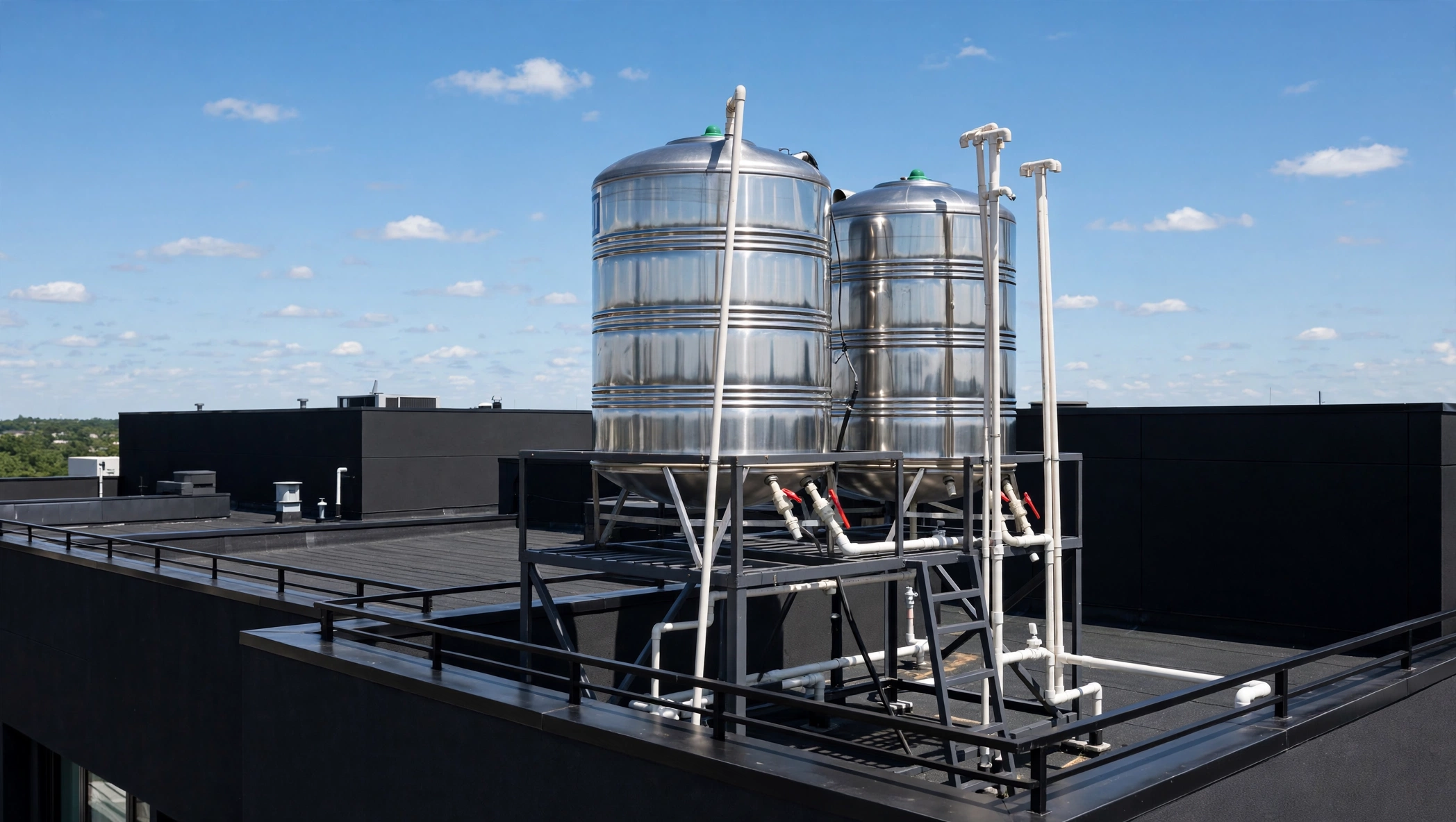
According to Skill Sewa’s pricing data, stainless steel tanks offer excellent durability and corrosion resistance, keeping water cooler and cleaner than most alternatives, but at a significant price premium. A 1,000-liter stainless steel tank in Nepal typically costs between NPR 30,000 and 50,000, compared to just NPR 6,500 to 12,000 for an equivalent plastic tank.
Underground Tanks
Regardless of material, underground tanks carry additional cost considerations. According to Skill Sewa, underground water tanks are more expensive than overhead plastic tanks specifically because they require additional excavation, waterproofing, and structural reinforcement to handle surrounding soil pressure.
How Long Does Each Type Actually Last?
Longevity matters as much as upfront price when comparing tank types, and the differences here are substantial.
According to TankScrub’s detailed materials guide, concrete tanks can last up to 50 years with proper maintenance, making them the longest-lasting mainstream option. Steel tanks follow at up to 40 years if properly maintained, though galvanized steel specifically can rust without adequate care. Fiberglass tanks typically last 20 to 30 years, offering strong corrosion resistance without concrete’s weight or steel’s rust risk.
Plastic tanks, by contrast, generally last just 15 to 30 years, according to the same source. This shorter lifespan reflects plastic’s fundamental trade-off: genuinely lower upfront cost and easier installation, in exchange for needing eventual replacement sooner than more permanent materials.
What Size Tank Does Your Household Actually Need?
Sizing correctly matters just as much as choosing the right material, since an undersized tank defeats the purpose of storage entirely.
According to Ghar Durbar’s 2026 buying guide, a family of one to three people usually needs a 500-liter to 1,000-liter tank, while a family of four to six people should consider a 1,500-liter to 2,000-liter tank. Larger households, or homes dealing with particularly irregular municipal water supply, may require 3,000-liter to 5,000-liter tanks to maintain a genuine buffer during extended shortages.
For larger installations, structural support becomes a real consideration too. According to Skill Sewa, water tanks above 2,000 liters need a strong concrete or metal stand for stability and to prevent structural damage, while smaller 500-liter to 1,000-liter tanks can typically be installed without professional help. Larger tanks in the 2,000-liter to 5,000-liter range generally require professional installation to ensure a secure, stable setup.
Current Water Tank Prices in Nepal
Understanding actual market pricing helps set realistic budget expectations before you start comparing brands.
According to Expert Sewa’s 2026 price analysis, plastic tank pricing across major Nepali brands breaks down roughly as follows for common sizes:
- 500L: NPR 3,500 to 6,500, depending on brand and layer count
- 1,000L: NPR 6,500 to 12,000
- 1,500L: NPR 9,500 to 16,500
- 2,000L: NPR 12,500 to 21,000
- 5,000L: NPR 28,000 to 48,000
- 10,000L: NPR 52,000 to 92,000
Budget-conscious brands like Khetan Plastic, Shree Plastics, and Triveni Plastics typically average NPR 6,500 to 8,500 per 1,000 liters. Mid-range options, including Panchakanya, Asian Polyplast, and Kamdhenu, run NPR 7,800 to 10,000 per 1,000 liters. Premium brands like Jalpa Industries, Sintex Nepal, and Roto Tanks Nepal command NPR 9,200 to 12,000 per 1,000 liters, reflecting stronger roto-molded construction and longer warranties.
Why Bigger Tanks Often Cost Less Per Liter
Here’s a detail worth understanding before you default to the smallest tank that seems to meet your immediate needs.
According to Expert Sewa’s cost-per-liter breakdown, a 500-liter tank typically costs between NPR 7.00 and 13.00 per liter. That figure drops steadily as capacity increases: NPR 6.50 to 12.00 per liter at 1,000 liters, NPR 6.25 to 10.50 at 2,000 liters, and just NPR 5.20 to 9.20 per liter at 10,000 liters. The analysis specifically identifies 5,000-liter and 10,000-liter tanks as offering the best overall value per liter stored.
This means that if your household genuinely anticipates needing more storage within the next few years, whether through a growing family or worsening municipal supply reliability, investing in a larger tank upfront can be more cost-effective than upgrading later.
Six Factors That Actually Drive Water Tank Price
Beyond simple capacity, several specific factors explain why two tanks of the same size can carry very different price tags.
According to Expert Sewa, layer technology matters first: single-layer tanks are cheapest, while double or triple-layer tanks, offering greater durability, command a higher price. UV protection adds roughly 15% to 20% to the cost but meaningfully extends tank lifespan under Nepal’s strong seasonal sunlight. Material grade matters too, since food-grade, non-toxic polyethylene is essential for drinking water storage specifically and affects overall pricing.
Brand reputation plays a role as well, with established names like Panchakanya and Sintex commanding a premium for proven reliability. Location affects pricing too, since Kathmandu Valley prices can run slightly higher than rural areas, while online platforms sometimes offer 5% to 10% discounts compared to physical retailers. Finally, seasonal demand causes modest price increases during peak dry seasons, when tank demand naturally spikes.
Choosing the Right Type for Your Specific Situation
Bringing this together, here’s how to match tank type to your actual circumstances.
If you need affordable, quick storage for a small home or apartment, a plastic tank in the 500-liter to 1,500-liter range from budget-friendly brands like Shree Plastics or Khetan Plastic offers the best balance of price and reliability, according to Expert Sewa’s recommendations. Installation is fast, and the lower upfront cost suits smaller households well.
If you’re supporting a larger family or dealing with genuinely unreliable water supply, mid-range to premium plastic tanks in the 2,000-liter to 5,000-liter range, from brands like Jalpa Industries, Asian Polyplast, or Sintex Nepal, provide meaningfully better durability and peace of mind, justifying the additional investment.
If you’re building new construction and want maximum longevity, a concrete tank may be worth the higher upfront cost and installation complexity, particularly if you value the cooler water temperature and the potential 50-year lifespan concrete offers over plastic’s 15 to 30 years.
If budget genuinely isn’t the primary constraint and you want the best possible corrosion resistance and water quality, stainless steel remains the premium choice, despite costing roughly three to five times more than an equivalent plastic tank.
If space is limited and an overhead tank isn’t practical, an underground tank, in plastic, fiberglass, or concrete, solves the space problem but requires budgeting for excavation, waterproofing, and reinforcement costs on top of the tank itself.
Practical Buying Tips Before You Purchase
A few practical checks can help you avoid common, costly mistakes when buying a water tank in Nepal.
First, according to Ghar Durbar, verify that any tank intended for drinking water carries food-grade certification and, ideally, Nepal Standard certification specifically, confirming the plastic used is safe for potable water storage. Second, always confirm whether the quoted price includes delivery and installation, since many brands offer free service within the Kathmandu Valley specifically, a detail that can meaningfully affect your total cost.
Third, according to Skill Sewa, plan for maintenance from the outset. Water tanks, regardless of material, should be cleaned every three to six months to prevent dirt, bacteria, and algae buildup. Plastic tanks make this easier, since residue removal is generally simpler than with concrete tanks, according to BrickNBolt’s comparison. Finally, before committing to an online quote, it’s worth calling a local dealer directly, since prices are often negotiable and local retailers may offer better bundled installation deals than advertised online rates suggest.
Conclusion
Choosing the right water tank in Nepal ultimately comes down to matching material and size honestly to your actual household needs, water reliability situation, and budget, rather than simply picking the cheapest or most recognizable brand available.
Plastic tanks offer the fastest, most affordable path to reliable storage for most households, particularly smaller families in the 500-liter to 2,000-liter range. Concrete and steel tanks demand a larger upfront investment but reward that investment with decades of additional service life and, in concrete’s case, genuinely cooler stored water. Underground tanks solve space constraints but add real excavation and waterproofing costs regardless of material chosen.
Whatever you choose, sizing generously, verifying food-grade certification, and budgeting for regular cleaning will matter just as much as the brand name on the tank itself. Given how central water storage remains to daily life across Nepal, from Kathmandu apartments to villages like Chyasmityar, getting this choice right is worth the extra research.
FAQ: Choosing a Water Tank in Nepal
What size water tank do I need for my family in Nepal?
A family of one to three people typically needs a 500L to 1,000L tank, while a family of four to six people should consider a 1,500L to 2,000L tank.
Is a plastic or concrete water tank better for home use?
Plastic tanks are more affordable and easier to install, while concrete tanks last longer (up to 50 years) and keep water cooler, but cost more and require careful construction.
How much does a 1,000-liter water tank cost in Nepal?
Plastic 1,000-liter tanks range from NPR 6,500 to 12,000 depending on brand, while stainless steel equivalents cost NPR 30,000 to 50,000.
Why are underground water tanks more expensive than overhead ones?
Underground tanks require additional excavation, waterproofing, and structural reinforcement to withstand surrounding soil pressure, adding significant installation cost.
How often should I clean my water tank?
Water tanks should be cleaned every three to six months to prevent dirt, bacteria, and algae buildup, regardless of tank material.
Which water tank brands are most trusted in Nepal?
Panchakanya, Sintex Nepal, Hilltake, Nepatop, and Jalpa Industries are among the most established and trusted water tank brands available in Nepal.