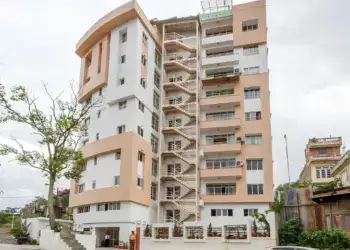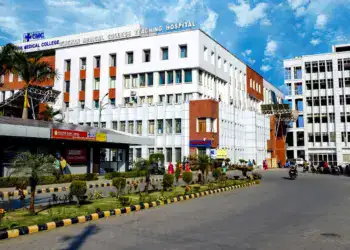
In Austin, Knoxville and Bristol, the buildings students sleep in are owned by pension funds, listed property trusts and sovereign wealth funds. Investors in the United States traded just under $9.5 billion of student housing in 2024 alone, up 58 percent on the year before, according to brokerage Newmark, citing Real Capital Analytics. In Nepal, a country whose universities enrolled a record 633,053 students in 2080/81, almost none of the places those students live are owned by anyone but a landlord renting out a few rooms. Student housing in Nepal is a demand story without a supply side, and that gap is exactly what turned the sector into an asset class elsewhere.
Key Takeaways
- Student housing abroad is an institutional asset class. US investors bought just under $9.5 billion of it in 2024, up 58 percent year over year (Newmark/Real Capital Analytics).
- The UK’s largest operator, Unite Students, is a FTSE 250 real estate investment trust running about 68,000 beds across 152 buildings, part-owned alongside Singapore’s sovereign wealth fund.
- Nepal has the raw demand: university enrollment hit a record 633,053 in 2080/81, up from 371,184 six years earlier, with more than half of all students at Tribhuvan University (UGC data).
- Nepal has essentially no purpose-built, professionally operated student housing. The market runs on informal hostels, paying-guest rooms and rented flats near campus.
- The biggest headwind is outbound migration: 112,593 students received No Objection Certificates to study abroad in FY 2023/24, draining the higher-paying end of domestic demand (Ministry of Education).
- Even mature markets are cyclical. In February 2026 Unite cut its outlook and build plans after UK international enrollment fell, a warning that student housing is not a one-way bet.
How student housing became an institutional asset class
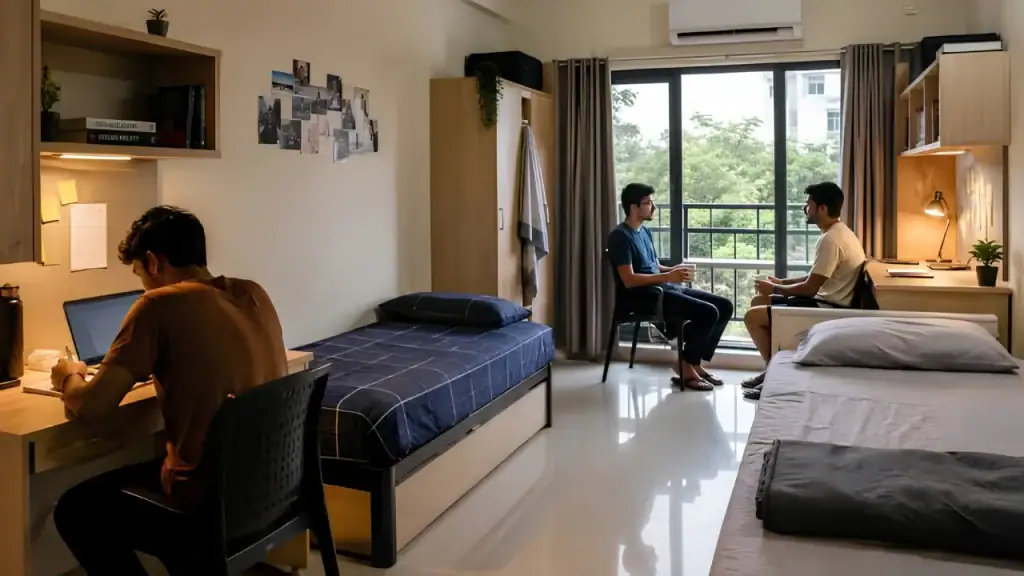
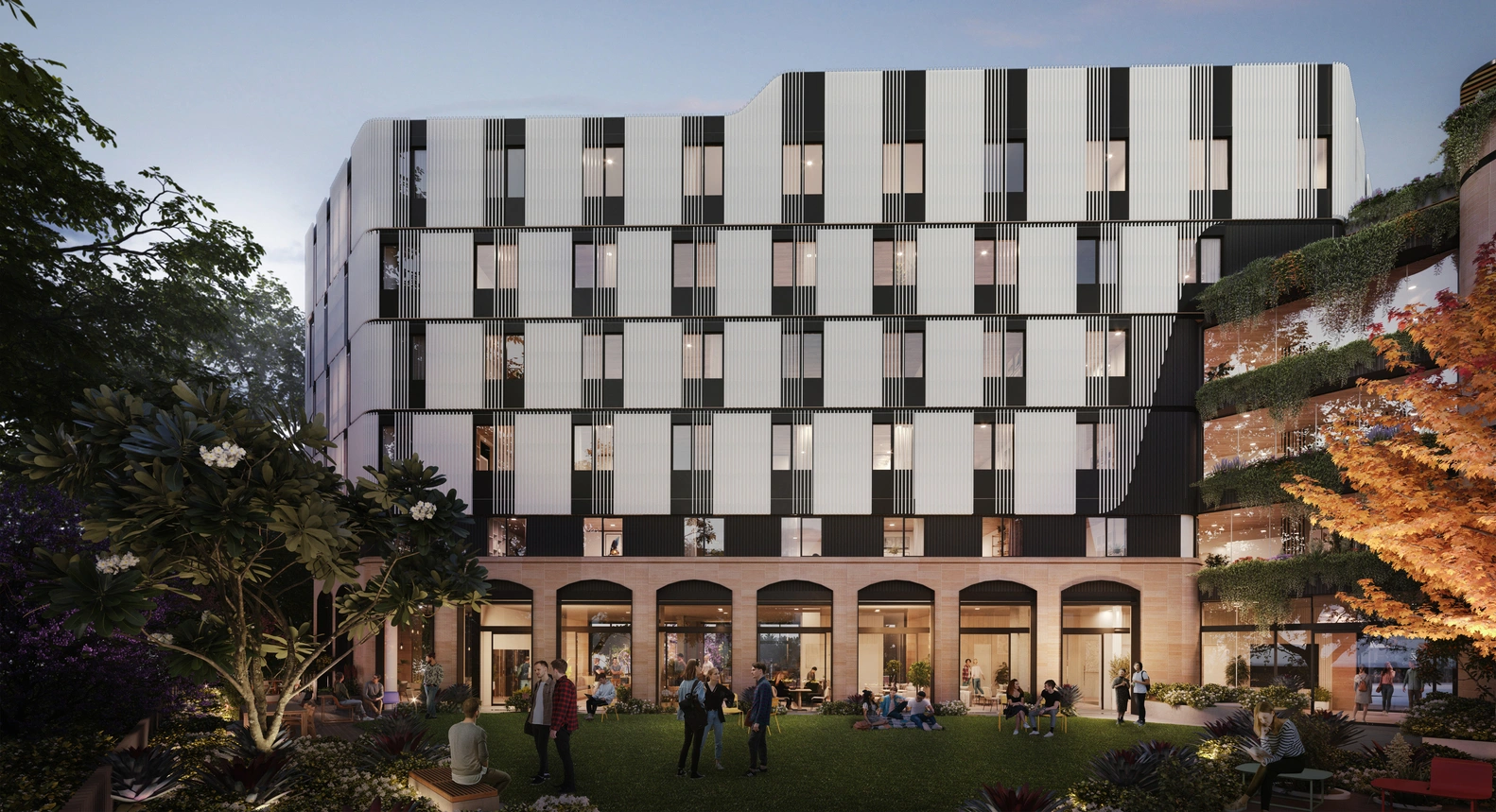
Purpose-built student accommodation, known in the trade as PBSA, is residential property designed and operated specifically for students: studios and shared cluster flats, usually with on-site management, study space and all-inclusive rents. For decades it was a fragmented, mom-and-pop business. Over the last 15 years it became something institutional investors underwrite like any other core real estate.
Two features drove that shift. First, demand is countercyclical. Enrollment tends to hold up or rise in downturns, and in many markets each lease carries a parental guarantee, which lowers the risk of unpaid rent. Second, the tenant base renews every year, so operators can reprice annually. Those characteristics pulled in cross-border money. JLL has reported that foreign capital held only 6.7 percent of the US student housing market between 2012 and 2016, then jumped to roughly 20 percent between 2017 and 2021. The United Kingdom built an entire listed sub-sector around it: Unite Students converted to a REIT in 2017 and now runs about 68,000 beds, with Singapore’s GIC as a joint-venture partner on part of the portfolio.
The relevance for Nepal is not that Kathmandu is about to attract a sovereign wealth fund. It is that a specific real-estate product, standardized student beds let by the room with a managed service, can be financed, owned and scaled when the demand is deep enough. The question is whether Nepal’s demand is the kind that supports it.
Nepal has the students: the demand case for student housing in Nepal

The enrollment numbers are large and rising. University enrollment in Nepal climbed from 371,184 in 2074/75 to a record 633,053 in 2080/81, after a pandemic-era dip to 460,826 in 2078/79, according to University Grants Commission figures compiled by Open Data Nepal. Bachelor-level enrollment alone rose about 27 percent over that stretch. Tribhuvan University accounts for more than half of all students and runs over 1,000 affiliated and constituent campuses.
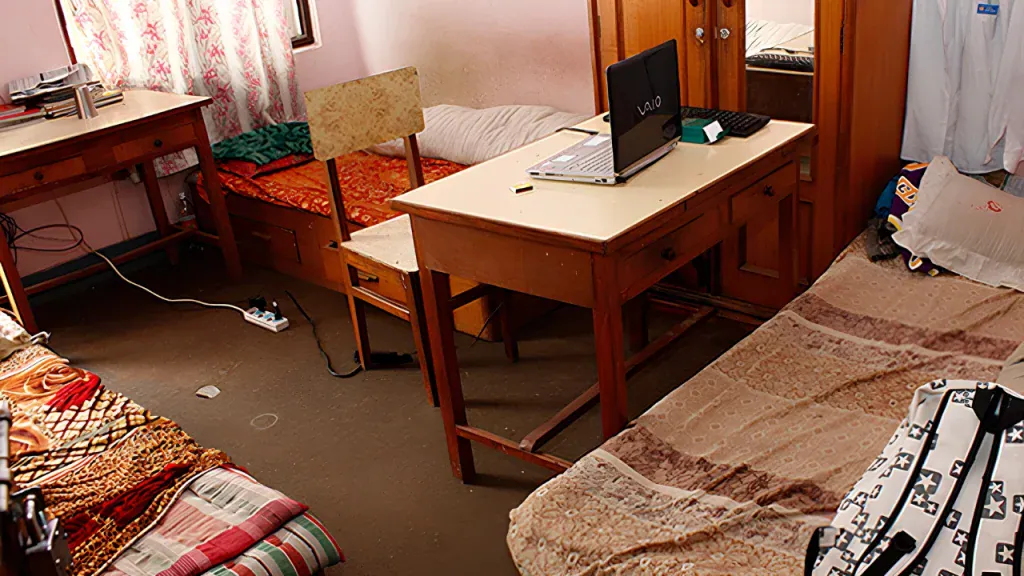
Crucially, that demand clusters in identifiable university towns rather than spreading evenly. Kirtipur anchors Tribhuvan University in the Valley. Dhulikhel in Kavre is built around Kathmandu University. Pokhara hosts Pokhara University and Prithvi Narayan Campus. Dharan draws health-sciences students, and Bharatpur in Chitwan pulls agriculture and medical students. Each of these places sees thousands of young people arrive every year from other districts, and almost all of them land in the same system: a privately run hostel, a paying-guest arrangement, or a shared flat found through word of mouth or a classifieds platform like Basobaas. There is no professionally operated, purpose-built student housing brand serving them at scale.
On paper, that is the gap an operator fills. Concentrated, recurring, migration-driven demand near specific campuses is the exact profile PBSA investors look for. The land economics are not trivial, though: buildable plots near Valley campuses are expensive, as BiznesVue’s survey of Kathmandu Valley land prices by area showed, which pushes any purpose-built project toward higher rents than most students can absorb.
Why the supply side has not shown up
The demand is real, so the absence of supply has to be explained by the economics, and there are at least four reasons it does not yet pencil out.
The highest-paying students leave. PBSA economics depend on a cohort that can pay a premium for a managed bed. In Nepal, many of the families who could afford that send their children abroad instead. The Ministry of Education issued 112,593 No Objection Certificates for study abroad in FY 2023/24 and 117,563 the year before, totaling 646,196 over 16 years, per data from the ministry’s NOC branch reported by myRepublica. Japan, Canada, Australia, the UK and the US took the largest shares. Every one of those students is a potential premium tenant who is now paying rent in Osaka or Toronto, not Kathmandu.
The students who stay are price-sensitive. Tribhuvan University dominates precisely because it is affordable. Its students are, broadly, the ones who could not or chose not to pay for private or foreign education. Build a glossy managed residence next to a TU campus and the rent that makes the building viable may be well above what that student base will pay. The demand is numerous but thin in the willingness-to-pay that PBSA requires.
There are no financing rails. Institutional student housing abroad is funded through REITs, dedicated funds and long-term debt. Nepal has no operating REIT market yet, only a framework on a multi-year timeline, as covered in BiznesVue’s look at whether REITs could work in Nepal. Bank lending against real estate is also constrained by loan-to-value caps, and a purpose-built student block is an unproven collateral type that lenders have no template for. Without a financing vehicle, there is no way to aggregate beds into something an investor can own.
Informality is cheaper to supply. The existing hostel-and-rented-room model has almost no compliance cost, no brand standard and no service overhead, so it undercuts any formal operator on price. Much of the money that funds this housing, and the education it supports, comes from remittances, a flow BiznesVue examined in detail in its analysis of remittance and land. That informal supply is adequate enough that few families demand better, which keeps formal investment off the table.
Where a first mover could actually land
None of this means purpose-built student housing is impossible in Nepal. It means a credible project would have to target the narrow segment where willingness to pay is higher. Health-sciences and medical campuses are the clearest candidates: their students skew older, better funded and are on longer, residential programs, and towns like Dhulikhel and Dharan concentrate them. Private universities and the better-funded private colleges are a second segment, since their families have already demonstrated willingness to pay for education. A build-to-rent block tied to a single large campus under a master lease, rather than a speculative open-market building, would also de-risk occupancy.
The cautionary note comes from the mature markets Nepal would be copying. Student housing is cyclical and policy-exposed, not the recession-proof machine its promoters describe. In February 2026, after a fall in international students coming to Britain, Unite Students lowered its profit outlook, pulled back on future builds, booked a paper loss of more than 400 million pounds on a half-year revaluation and said it would shrink from 72,000 beds toward 55,000 to 60,000. If the most established PBSA operator in Europe can be whipsawed by a shift in student flows, a first mover in Nepal would need conservative assumptions, a specific campus, and patience, not a spreadsheet that assumes 633,000 students automatically become 633,000 tenants.
The bottom line
Student housing in Nepal is a textbook case of demand without a product. The students exist, they are concentrated in known university towns, and the sector has already been proven as an institutional asset class in the US and UK. What is missing is a tenant base willing to pay formal rents, a financing vehicle to aggregate the beds, and a developer willing to test a narrow, high-conviction segment rather than the whole market. The opportunity is real but small and specific, and the first serious project will more likely be a single building next to one well-funded campus than a nationwide brand. For now, Nepal has the demand, not the supply, and the gap stays open.
Frequently Asked Questions
What is purpose-built student accommodation (PBSA)?
PBSA is residential property designed and operated specifically for students, typically studios or shared cluster flats with on-site management, study areas and all-inclusive rent. Abroad it is owned by institutional investors, REITs and dedicated funds rather than individual landlords.
Does Nepal have purpose-built student housing?
Not at an institutional scale. Nepal’s university students overwhelmingly live in privately run hostels, paying-guest rooms or shared flats found informally. There is no professionally operated, purpose-built student housing brand serving the market the way Unite Students does in the UK.
How many university students are there in Nepal?
University enrollment reached a record 633,053 in 2080/81, up from 371,184 in 2074/75, according to University Grants Commission data. More than half of all students attend Tribhuvan University, which runs over 1,000 affiliated and constituent campuses.
Why has student housing not become an investable asset class in Nepal?
Three reasons. The highest-paying students often study abroad (112,593 obtained study-abroad permits in FY 2023/24). The students who remain are price-sensitive, especially at affordable Tribhuvan University. And Nepal has no operating REIT market or established financing vehicle to aggregate student beds into an institutional holding.
Which Nepali university towns could support student housing first?
The strongest early candidates are towns built around health-sciences and medical campuses, such as Dhulikhel and Dharan, where students are older, better funded and on longer residential programs. Private universities and well-funded private colleges are a second segment with higher willingness to pay.
Is student housing a safe investment?
It is often marketed as recession-resistant, but it is cyclical and exposed to education policy. In February 2026, UK leader Unite Students cut its outlook and build plans and booked a large revaluation loss after international enrollment fell, showing that student housing demand can shift quickly even in mature markets.