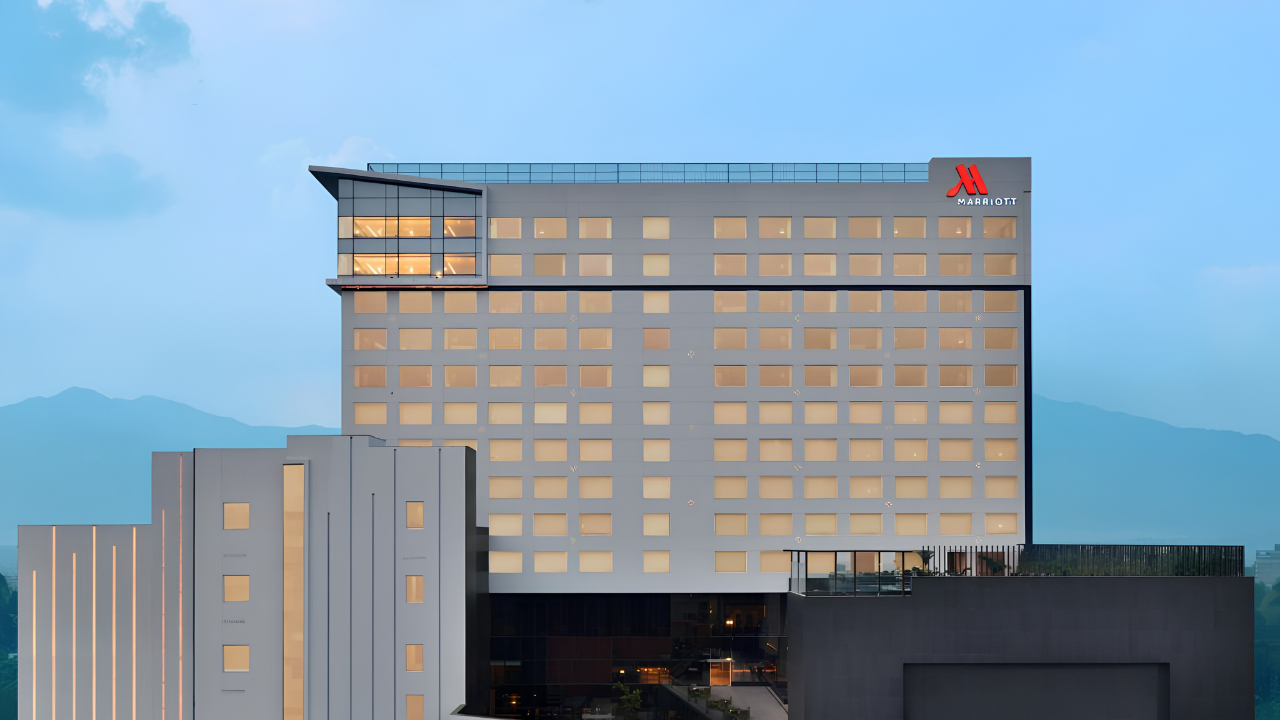
Nepal’s star hotels can seat roughly three times the tourists the country actually receives. The Hotel Association of Nepal (HAN) estimates its member properties could serve 3 to 3.5 million visitors a year. Nepal welcomed 1,158,459 in all of 2025, according to the Nepal Tourism Board. That gap, not any shortage of rooms, is the defining fact of Nepal’s commercial hospitality market heading into the 2026 autumn season, and it explains why occupancy at star hotels sat near 30% last October even as arrivals climbed.
Key Takeaways
- Nepal now counts 30 five-star hotels among HAN members, after the country added 20 star hotels (4 five-star and 16 four-star) over roughly three years, per Department of Tourism data.
- Tourist arrivals reached 1,158,459 in 2025, up just 0.96% over 2024 and about 97% of the pre-pandemic 2019 peak.
- First-half 2026 arrivals hit 621,624, with June up 19.5% year on year, a real rebound but still well short of what new capacity needs to fill rooms.
- Star-hotel occupancy was around 30% in October 2025, and HAN says member hotels could serve 3 to 3.5 million tourists annually, roughly triple current demand.
- Hilton Kathmandu, an Rs 8.35 billion property, was gutted by fire during the September 2025 protests barely a year after opening, a reminder that political risk sits next to demand risk.
- The pipeline keeps growing: Mercure (Rs 3 billion, Accor), a planned Sheraton Kathmandu (Rs 12 billion), plus Marriott, Hyatt Place, Dusit and Lemon Tree names already on the map.
The capacity-demand gap, in numbers
Start with demand. Nepal’s 2025 arrivals of 1,158,459 edged past 2024’s 1,147,548 by less than a percentage point, and reached about 97% of the pre-pandemic benchmark, the Nepal Tourism Board reported. The trend into 2026 is healthier: the first six months brought 621,624 visitors, with a clear month-by-month shape (92,573 in January, 105,441 in February, 120,516 in March, 107,934 in April, 102,626 in May and 91,363 in June). June alone rose 19.5% against the same month a year earlier, per figures the board shared with Rising Nepal.
Now the supply side. HAN President Binayak Shah has put member-hotel capacity at 3 to 3.5 million tourists a year, with roughly 10,000 international-standard beds in the star segment alone. Set that against 1.16 million arrivals and the math is stark: even a strong 2026 that clears 1.3 million would leave the star sector filling well under half of what it can hold. Shah told Spotlight in November 2025 that occupancy among member hotels was only around 30% that October, with most reporting roughly one-third of rooms filled.
This is the same lending economy that carries more than Rs 2 trillion in property exposure across Nepal’s banks. Hotel projects are large, credit-heavy, and slow to repay, which means an occupancy problem is not only an operator’s problem. It becomes a balance-sheet question for the banks that financed the build.
Where the new rooms are coming from
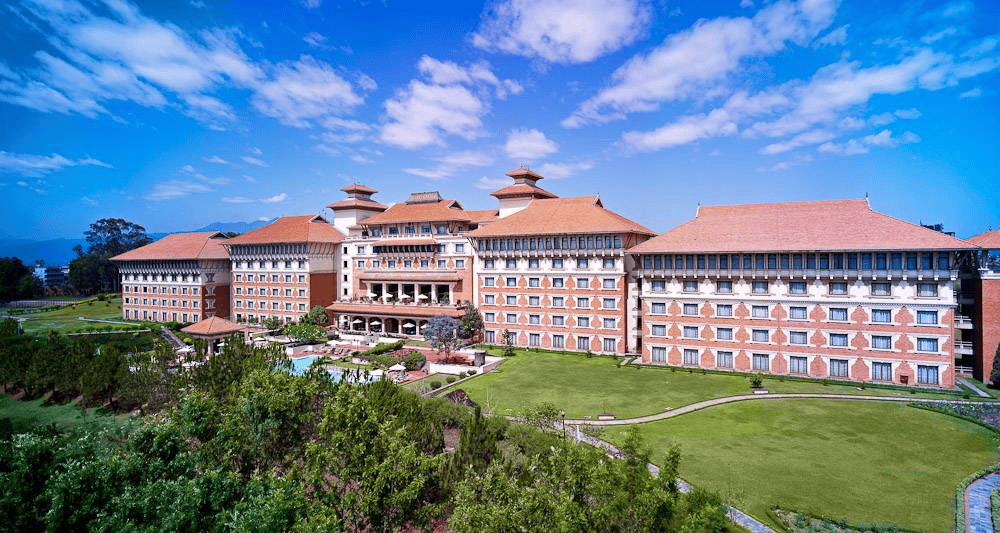
The build-out has been broad and brand-driven. Over roughly three years Nepal added four five-star and 16 four-star hotels, according to Department of Tourism data. Tellingly, 15 of those 16 four-star properties opened outside Kathmandu, in cities like Birtamod, Simara and Butwal, spreading branded supply into secondary markets. Named projects and their reported investment give a sense of scale: Hotel The Kingsbury in Birtamod at Rs 2 billion, Hyatt Place at Tahachal at Rs 2.8 billion, Ichha Hotel in Simara at Rs 2.8 billion and Hotel Lhasa International at Lazimpat at Rs 2.8 billion.
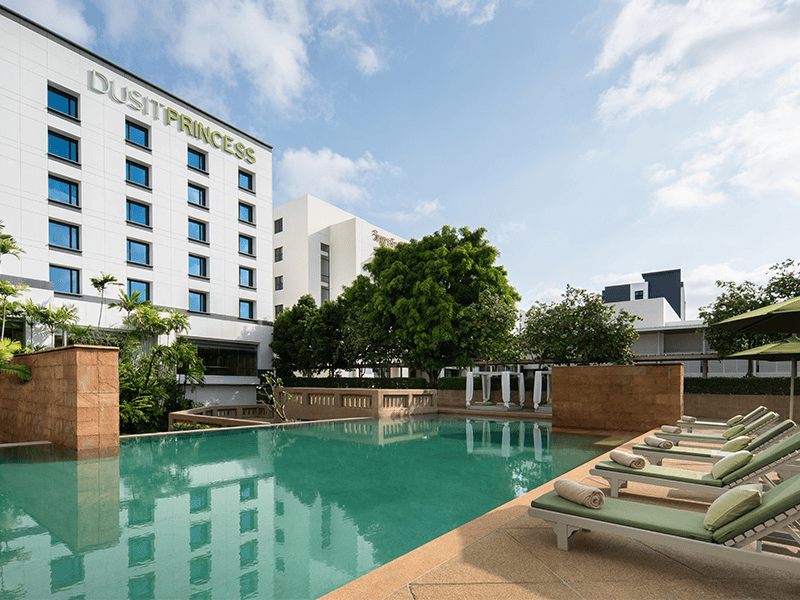
At the top of the market, international operators kept arriving. Accor’s Mercure Kathmandu opened in Sukedhara in January 2025 on a reported Rs 3 billion investment. The five-star roster maintained by the Hotel Association of Nepal now lists 30 properties, including Kathmandu Marriott, Hyatt Regency, Hyatt Place, Dusit Princess, Aloft, Lemon Tree Premier and Radisson alongside long-standing names like Soaltee, Yak & Yeti, Annapurna and Dwarika’s. A Sheraton Kathmandu, reported at around Rs 12 billion, sits in the forward pipeline. For developers weighing commercial space demand in the valley, listing platforms such as Basobaas show how quickly office and mixed-use inventory has expanded alongside hospitality.
Why occupancy stays near a third
Three structural facts keep star occupancy low even in a recovery. First, seasonality: Nepal’s arrivals concentrate heavily in spring (March and April) and autumn (October and November), so a hotel priced to survive on peak months runs near-empty through the monsoon and winter shoulders. The 2026 monthly curve shows it plainly, with March at 120,516 and June down at 91,363.
Second, the source mix. India supplied 45.76% of June 2026 arrivals, a market that skews toward shorter stays, religious circuits and mid-tier budgets rather than sustained five-star demand. The United States (12.95%) and China (10.94%) followed. High-yield long-haul leisure and business travel, the segment branded five-stars are built for, is a minority of the total. Third, informal supply: homestays, guesthouses and short-let apartments absorb a large share of visitors, and Shah has openly questioned how much of the headline arrival count converts into paid star-hotel nights at all.
The Hilton warning: political and concentration riskS

Demand risk is not the only exposure. Hilton Kathmandu, developed by Shankar Group at a reported Rs 8.35 billion and opened in July 2024, was set ablaze during the Gen Z-led protests of September 2025 and gutted barely a year into operation. The same unrest cut that month’s arrivals by 18.85% year on year and damaged around 30 hotels in Kathmandu and Pokhara, including major chains. For a sector where a single property can carry billions in bank debt and a decade-long payback, the episode is a hard lesson: a highly leveraged, highly visible hotel is also a target, and insurance rarely makes an owner whole on lost time and brand momentum.
The market did recover quickly. Arrivals in October, November and December 2025 each beat the prior year, and 2026 opened strongly. But the concentration of capital in a handful of trophy assets means the sector’s fortunes swing with events that have nothing to do with hospitality fundamentals. That is a different risk profile from the land speculation that drives much of Nepal’s real estate, and closer to the gap between announcement and delivery seen elsewhere in the country’s development story.
What it means for investors and lenders
None of this makes Nepali hospitality a bad bet outright. The case for the boom is real: arrivals are recovering, a branded management contract can lift rates and distribution, secondary-city hotels tap domestic and Indian demand that Kathmandu five-stars cannot, and long-run trekking and pilgrimage flows give Nepal a durable base most emerging markets lack. An operator with low leverage, a differentiated location and a realistic revenue plan can do well.
The caution is about timing and structure. When a market can already serve triple its visitors, each new five-star does not expand the pie so much as split the same room-nights more thinly, pushing rates down and stretching payback. The prudent questions before committing capital are simple: what occupancy does the loan actually require, not the pitch deck; how does the property survive a soft monsoon and a bad-news month; and is the developer counting on demand that exists today or demand that has been promised for a decade. Compared with the liquidity and exit options of listed equities or land, a hotel is the least forgiving asset in the room if the arithmetic is wrong.
Frequently Asked Questions
How many five-star hotels does Nepal have?
The Hotel Association of Nepal lists 30 five-star hotels among its members as of 2026, including Kathmandu Marriott, Hyatt Regency, Mercure, Radisson, Soaltee and Dwarika’s. Four of the country’s five-star properties opened within roughly the past three years.
What is the hotel occupancy rate in Nepal?
Star-hotel occupancy was around 30% in October 2025, according to HAN President Binayak Shah, with most member hotels reporting roughly one-third of rooms filled despite rising tourist arrivals.
How many tourists visited Nepal in 2025 and 2026?
Nepal recorded 1,158,459 international arrivals in 2025, up 0.96% over 2024 and about 97% of the pre-pandemic peak. The first half of 2026 brought 621,624 visitors, with June arrivals up 19.5% year on year, per Nepal Tourism Board data.
Why are Nepal’s hotels considered oversupplied?
HAN estimates member hotels could serve 3 to 3.5 million tourists a year, but Nepal receives only about 1.16 million. That mismatch between capacity and demand, rather than a lack of rooms, is why occupancy sits near a third and why each new five-star competes for the same limited pool of room-nights.
What happened to Hilton Kathmandu?
Hilton Kathmandu, a roughly Rs 8.35 billion five-star developed by Shankar Group that opened in July 2024, was set on fire and gutted during the September 2025 Gen Z protests, little more than a year after it began operating. Around 30 hotels were damaged in the unrest, which also cut that month’s arrivals by 18.85%.
Is investing in a Nepali hotel a good idea in 2026?
It depends on leverage, location and the assumed occupancy. Arrivals are recovering and branded management can lift rates, but with the sector already able to serve triple current demand, a new hotel splits a fixed pool of room-nights more thinly. Projects with low debt, a differentiated location and a conservative revenue plan can work; those built on a decade-old demand promise carry real risk of underperformance.