Nepal’s hospitality sector had a genuinely strong 2025. Look closer at when and where that success actually happened, though, and a narrower, riskier picture emerges.
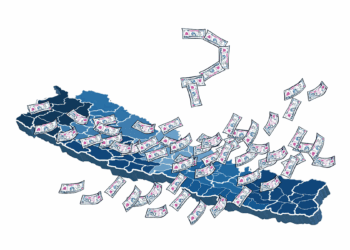
Nepal tourism seasonality remains a defining structural vulnerability for the hospitality sector. Visitor numbers surge in October and November, then fall sharply for much of the rest of the year. Meanwhile, the same handful of destinations, Kathmandu, Pokhara, and the Everest region, keep absorbing most of that traffic, while entire regions of the country see comparatively little benefit.
This concentration isn’t a minor quirk. It shapes hotel occupancy, employment stability, and investment decisions across an industry that supports well over a million jobs. Understanding exactly how narrow this window really is, and where genuine diversification is finally emerging, matters for anyone tracking Nepal’s tourism-dependent economy.
In this article, we’ll examine the data behind Nepal’s seasonal and geographic concentration, and what recent trends suggest about the road toward a more balanced tourism model.
Just How Seasonal Is Nepal’s Tourism Really?
The numbers here confirm what anyone working in Nepali hospitality already knows instinctively. According to Tourism Info Nepal’s coverage of 2025 arrivals, October and November remained the peak season months, with 128,443 and 116,553 arrivals respectively. December added another 98,190 arrivals, according to NEPSE Trading‘s analysis of Nepal Rastra Bank data, confirming autumn as the unambiguous high point of Nepal’s tourism calendar.
This isn’t a new pattern. According to Data Home Nepal’s 2026 tourism report, the traditional peak season, spanning September through December, has essentially flatlined, hovering between 420,000 and 427,000 arrivals for three consecutive years running. Total annual arrivals tell a similar story of stalled momentum. After jumping from 624,107 in 2022 to over 1 million in 2023, growth slowed to a crawl, reaching 1.14 million in 2024 and just 1.15 to 1.16 million in 2025, according to multiple sources including Travel Himalaya Nepal News, a mere 1% increase year-on-year.
The off-season contrast is stark. According to Data Home Nepal, May and June remain persistently sluggish months for international arrivals, creating a pronounced trough between Nepal’s two trekking-driven peaks.
Spring Is Showing Genuine Signs of Life
Not every seasonal signal points toward stagnation, however. Nepal’s spring season, in particular, has shown real recent strength.
According to Data Home Nepal, January 2026 recorded 92,573 arrivals, the highest January figure in four years and nearly double the pre-pandemic rhythm for that month. February followed with more than 100,000 monthly arrivals, according to MICE Travel Advisor’s April 2026 coverage, a milestone NEPSE Trading similarly highlighted as significant.
This spring momentum continued through the first half of 2026. According to Travel and Tour World’s coverage, Nepal recorded more than 600,000 international tourist arrivals between January and June 2026, a solid improvement over the same period in 2025, with growth remaining stable across all six months. The same report frames this consistency as evidence of Nepal’s tourism sector gradually transitioning away from pure seasonal dependence toward a more balanced, year-round model.
However, this optimistic framing deserves some caution. April 2026 specifically saw a slight arrival decline, according to Nature Trail’s reporting, though this was attributed more to global flight disruptions affecting long-haul European travel than to any drop in genuine interest in Nepal as a destination.
The Geographic Concentration Problem
Seasonality is only half the story. Where tourists actually go once they arrive reveals an equally narrow pattern.
According to MICE Travel Advisor, Kathmandu, Pokhara, Everest, and Lumbini consistently define Nepal’s tourism movement, described directly as “the destinations defining Nepal’s tourism movement in 2026.” This isn’t a new observation. According to Nepal Promote Treks’ 2026 statistics guide, Kathmandu Valley, Pokhara, the Everest region, the Annapurna region, and Lumbini remain the most visited destinations in the country, essentially the same five hubs that have anchored Nepali tourism for decades.
Pokhara illustrates this concentration especially clearly. According to MICE Travel Advisor, a significant share of all international visitors include Pokhara in their itinerary, with estimates suggesting a large percentage of tourists pass through the city at some point during their trip. Within trekking specifically, the pattern repeats. According to Explore All About Nepal’s 2026 statistics report, the Annapurna Circuit continues attracting the largest share of Nepal’s trekking traffic, while Everest Base Camp remains the world’s single most aspirational trekking destination.
Even Popular Sites Are Hitting a Ceiling
Perhaps most tellingly, concentration hasn’t even guaranteed continued growth at Nepal’s most established attractions. Some appear to have reached genuine saturation.
According to Data Home Nepal’s analysis, Bhaktapur Durbar Square recorded 245,593 visitors in fiscal year 2021/22. By fiscal year 2024/25, that figure sat at 244,868, a marginal decrease of just 725 tourists across three full years. The report describes this plainly: Bhaktapur has recovered from pandemic-era impacts, but has hit a ceiling in terms of further growth.
This matters for understanding Nepal’s concentration problem precisely. It’s not simply that tourists cluster around a handful of destinations. It’s that even those destinations aren’t generating meaningfully more visitor volume over time, suggesting Nepal’s tourism model may be approaching genuine capacity constraints within its existing, narrow geographic footprint.
Infrastructure Gaps Reinforce the Concentration
Part of why diversification remains difficult traces directly back to infrastructure limitations outside Nepal’s established tourism corridors.
According to NEPSE Trading’s analysis, sustained tourism growth requires infrastructure investment, airline connectivity expansion, and destination diversification specifically beyond Kathmandu and Pokhara. The same analysis points to a telling paradox. Pokhara International Airport, a genuinely significant recent infrastructure investment, remains underutilized, according to NEPSE Trading, even as air connectivity constraints more broadly continue limiting how easily tourists can reach destinations beyond Nepal’s most established hubs.
A Genuinely Interesting Counter-Trend: Chitwan’s Summer Boom
Amid this concentration story, one destination has quietly built something genuinely different, tourism that runs counter to Nepal’s traditional seasonal pattern entirely.
According to the Kathmandu Post’s June 2026 reporting, Chitwan National Park recorded 256,800 total visitors between mid-July 2025 and mid-June 2026, combining domestic tourists, international visitors, and SAARC country arrivals. Domestic tourists accounted for the largest share at 153,874, while international tourists numbered 83,071, and SAARC visitors added 19,855.
What makes this pattern genuinely notable is its counter-seasonal driver. According to the same report, Indian tourists specifically have been filling Chitwan’s hotel rooms during Nepal’s traditionally quieter summer months, seeking relief from South Asian summer heat. While overall foreign tourist arrivals declined in recent months elsewhere, Indian arrivals to Chitwan surged sharply during exactly this period, a pattern the report notes was deliberately revived in 2016 across major Indian cities following the 2015 earthquake’s tourism setback.
This represents a genuinely different demand driver than Nepal’s dominant trekking-season model, climate-driven leisure travel rather than adventure tourism timed to optimal mountain weather. It offers a concrete example of how destination and demand diversification can genuinely offset, at least partially, Nepal’s core seasonality problem.
Where Else Diversification Is Emerging
Beyond Chitwan’s summer pattern, several other niche segments suggest Nepal’s tourism base may be gradually broadening, even if slowly.
According to Explore All About Nepal’s 2026 analysis, helicopter tourism has matured into a sophisticated, high-revenue sub-sector, growing at approximately 15% to 25% annually. Data Home Nepal’s reporting quantifies this further, noting the segment has grown 99.2% over two years specifically around Pokhara, evidence that “modern tourists increasingly seek thrill over trek.”
Wellness tourism represents another emerging pathway. According to Explore All About Nepal, yoga, wellness, and retreat tourism centered on Pokhara, and increasingly extending into purpose-built retreats across the Kathmandu Valley, has attracted a demographic that wouldn’t traditionally have considered trekking at all. Similarly, Buddhist pilgrimage and spiritual tourism, driven by growing demand from Chinese, Korean, Japanese, and Southeast Asian Buddhist communities, is expanding strongly, with Lumbini specifically receiving increased international attention and infrastructure investment.
Mountain biking and cycling tourism has grown from a genuine niche into a recognizable market segment too, according to the same source, with Mustang region’s dramatic terrain now attracting international cycling events and organized tour groups, extending tourism activity into a region historically overshadowed by Everest and Annapurna.
Why This Concentration Matters Economically
Understanding the stakes requires appreciating just how central tourism remains to Nepal’s broader economy.
According to Nepal Promote Treks, tourism contributes approximately 7% to 8% of Nepal’s GDP when combining direct and indirect impacts, supporting over a million jobs nationwide, according to MICE Travel Advisor. Average visitor length of stay runs approximately 12 to 15 days, according to Nepal Promote Treks, representing substantial potential spending that concentrates disproportionately within a narrow set of destinations and calendar months.
This concentration creates real financial exposure for the hospitality sector specifically. According to NEPSE Trading’s banking sector data, hotel-related credit in Nepal’s banking system reached Rs 222,914 million, growing 6.15%. This represents substantial capital investment in hospitality infrastructure that generates strong returns during peak months but faces genuine underutilization risk during Nepal’s extended off-season periods, precisely the vulnerability narrow seasonality creates for lenders and hoteliers alike.
What Would Help Nepal Diversify Further
Given these compounding patterns, several concrete approaches could help Nepal’s tourism sector build genuine resilience against its current seasonal and geographic concentration.
First, expanding air connectivity to secondary hubs beyond Kathmandu and Pokhara would directly address the infrastructure gap NEPSE Trading identified. A genuinely underutilized asset like Pokhara International Airport suggests connectivity investment alone isn’t sufficient without matching demand-generation efforts and onward transport links to less-visited regions.
Second, deliberately promoting counter-seasonal demand drivers, following Chitwan’s Indian summer tourism model, could help smooth Nepal’s pronounced peak-and-trough pattern. This approach doesn’t require competing with autumn trekking season directly, but instead targets entirely different traveler motivations and travel windows.
Third, continuing to invest in emerging niche segments, helicopter tourism, wellness retreats, spiritual pilgrimage, and mountain biking, spreads both seasonal and geographic risk simultaneously, since many of these segments operate on different calendars and in different locations than traditional trekking tourism.
Finally, addressing Bhaktapur’s apparent growth ceiling, and similar saturation at other established sites, may require active visitor management and experience diversification, rather than simply hoping continued marketing alone will drive further volume growth at destinations that may already be approaching genuine capacity.
Why This Trend Deserves Long-Term Tracking
Nepal tourism seasonality and geographic concentration deserve sustained attention as a structural indicator of hospitality sector resilience.
First, tracking the ratio between peak-season and off-season arrivals over time would reveal whether genuine seasonal smoothing is occurring, or whether the flatlined September-through-December pattern Data Home Nepal identified continues persisting despite spring’s recent gains.
Second, monitoring visitor distribution beyond Nepal’s five core destinations would show whether infrastructure investment and niche-segment growth are genuinely redistributing tourism activity, or whether Kathmandu, Pokhara, and Everest continue absorbing the overwhelming majority of visitor volume regardless.
Third, tracking counter-seasonal models like Chitwan’s summer tourism pattern specifically would help identify whether this approach can be meaningfully replicated elsewhere in Nepal, offering a genuine template for smoothing the sector’s pronounced seasonal swings.
Conclusion
Nepal tourism seasonality and geographic concentration remain deeply embedded structural features of the country’s hospitality sector, even amid genuinely positive recent headline growth. October and November still anchor the calendar. Kathmandu, Pokhara, and the Everest region still anchor the map. Even established attractions like Bhaktapur Durbar Square appear to be hitting real growth ceilings within this narrow footprint.
Yet, genuine diversification signals are emerging. Chitwan’s Indian summer tourism boom, rapid growth in helicopter and wellness tourism, and spring 2026’s genuinely strong arrival numbers all suggest Nepal’s tourism base may be gradually broadening, both across the calendar and across the map.
Whether these emerging trends can meaningfully offset decades of concentrated seasonal and geographic reliance remains an open question, one that will shape hotel investment, employment stability, and regional economic development across Nepal’s tourism-dependent communities for years to come.
FAQ: Nepal Tourism Seasonality and Concentration
When is Nepal’s peak tourism season? October and November remain Nepal’s peak months, with 128,443 and 116,553 arrivals respectively in 2025, driven by ideal autumn trekking conditions.
Which destinations dominate Nepal’s tourism industry? Kathmandu Valley, Pokhara, the Everest region, the Annapurna region, and Lumbini consistently receive the vast majority of international visitors.
Is Nepal’s tourism season becoming less concentrated? Partially. Spring 2026 showed strong, stable growth, and destinations like Chitwan have built genuine counter-seasonal demand through Indian summer tourism.
How much does tourism contribute to Nepal’s economy? Tourism contributes approximately 7% to 8% of Nepal’s GDP when combining direct and indirect impacts, supporting over a million jobs.
Why has growth at popular sites like Bhaktapur slowed? Visitor numbers at Bhaktapur Durbar Square have remained nearly flat since fiscal year 2021/22, suggesting the destination may have reached a genuine capacity ceiling.
What emerging tourism segments are helping diversify Nepal’s offerings? Helicopter tourism, wellness and yoga retreats, Buddhist pilgrimage travel, and mountain biking are all growing rapidly beyond traditional trekking routes.