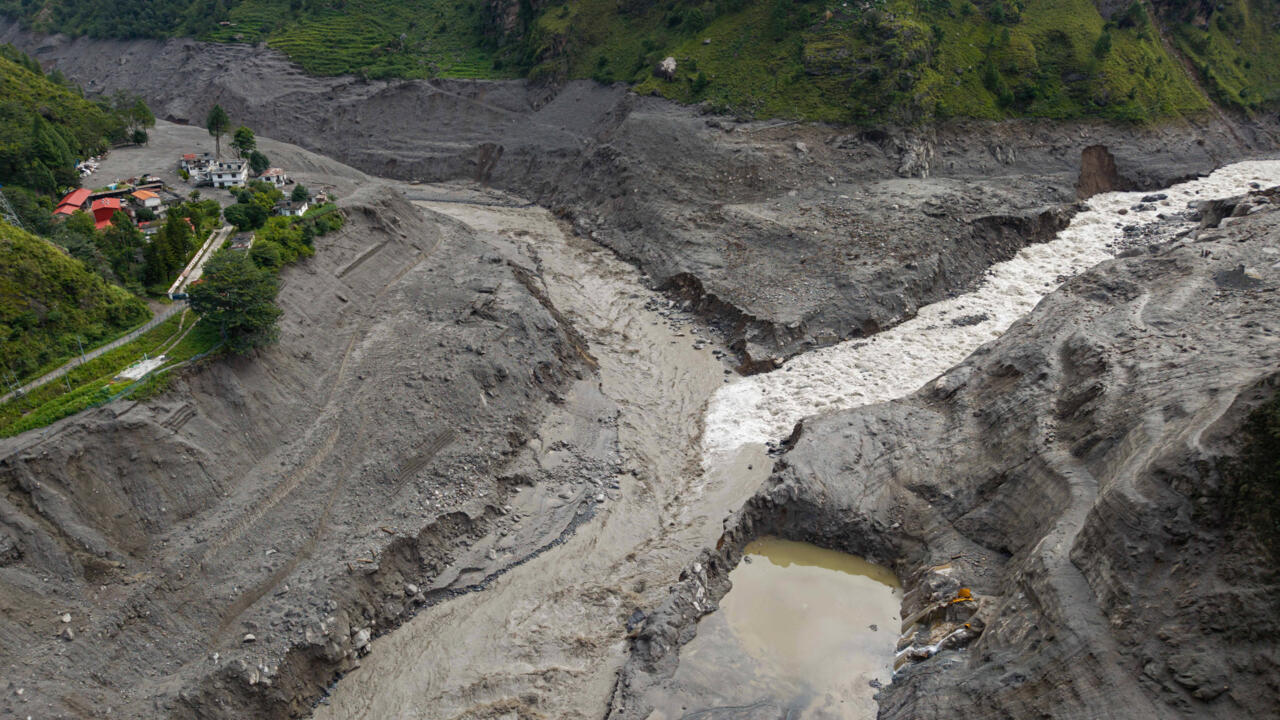
Natural disasters strike Nepal with brutal frequency. The nation sits on active tectonic plates. Fragile mountain terrain covers most of its land area. Annual monsoon rains trigger massive landslides. Changing climate patterns now cause extreme river flooding.
Loss of life remains the saddest part of every disaster. Yet, the economic destruction leaves deep, lasting scars. Disasters destroy vital roads, bridges, and power plants. They wipe out years of economic growth in a single day.
What are the worst natural catastrophes in modern history? Here is a detailed look at the 5 biggest disasters in Nepal by financial harm.
1. The 2015 Gorkha Earthquake
On April 25, 2015, a massive earthquake struck central Nepal. The epicenter was located in Gorkha district. The quake measured a powerful 7.8 on the Richter scale. Major aftershocks followed, including a 7.3 magnitude quake in May.
Economic Impact and Rebuilding Costs
This earthquake stands as the single costliest disaster in Nepalese history. The Post-Disaster Needs Assessment (PDNA) revealed startling numbers.
- Total Financial Harm: $7.0 Billion USD
- Percentage of GDP: Roughly 33 percent of national GDP
- Reconstruction Cost: Over $6.7 Billion USD
The disaster destroyed over 800,000 homes. It flattened centuries-old UNESCO heritage sites in Kathmandu Valley. Schools, health posts, and rural bridges collapsed across 31 districts.
Long-term Financial Scars
The earthquake paralyzed the nation’s tourism sector for months. Hotels empty out overnight. Trekking routes in Langtang and Everest became inaccessible. Rural farmers lost stored seed stocks and livestock.
Rebuilding required massive foreign aid and international loans. Nepal added billions in national debt to fund recovery efforts. The financial fallout delayed national development goals by nearly a decade.
2. The 2024 Late-Monsoon Floods and Landslides
In late September 2024, abnormal monsoon rains hit central and eastern Nepal. Cloudbursts dropped unprecedented rainfall over two days. Rivers flooded Kathmandu Valley, Bagmati, and Koshi provinces.
Severe Infrastructure Destruction
Water levels in the Bagmati and Trishuili rivers reached historic highs. High-velocity floodwaters washed away entire suburban neighborhoods.
- Total Financial Harm: $350 Million USD (रू 46+ Billion)
- Hydropower Damage: 11 operational plants offline
- Highways Ruined: 31 major national corridors severed
Floods destroyed vital bridges connecting Kathmandu to the rest of Nepal. The Prithvi Highway suffered severe landslide washouts. Supply chains stalled, causing immediate market price inflation.
Impact on Energy and Agriculture
The energy sector suffered immense financial losses. Floodwaters inundated powerhouses and washed away transmission towers. Private energy producers faced billions of rupees in physical damages.
Agricultural fields along river corridors vanished under thick mud. Farmers lost ready-to-harvest paddy crops. The timing right before major festival seasons amplified the economic shock for small business owners.
3. The 2017 Terai Monsoon Floods
In August 2017, heavy monsoon downpours battered the southern plains of Nepal. The Terai region is Nepal’s agricultural and industrial belt. Inundation quickly spread across 35 southern districts.
Widespread Agricultural Losses
Unlike mountain disasters, this flood hit flat, agricultural terrain. Water covered more than 80 percent of agricultural fields in the Terai.
- Total Financial Harm: $584 Million USD (रू 60+ Billion)
- Agri-Sector Losses: $172 Million USD
- Affected Population: 1.7 Million people
The flood destroyed grain stores, farm machinery, and livestock. Submerged factories in Biratnagar and Birgunj shut down operations. Cargo imports from India came to a complete halt due to flooded border roads.
Secondary Economic Effects
The 2017 floods triggered a severe regional food security crisis. Nepal had to import grain to prevent shortages. Import bills surged, straining the country’s foreign exchange reserves.
Repairing rural roads and irrigation canals cost local governments billions of rupees. The disaster slowed overall GDP growth for the 2017-2018 fiscal year.
4. The 1993 Central Nepal Floods and Landslides
In July 1993, a devastating cloudburst hit central Nepal. Over 500 millimeters of rain fell in just 24 hours. The disaster targeted Makwanpur, Chitwan, and Dhading districts.
Critical Infrastructure Collapse
The 1993 flood is remembered for destroying critical national assets. It changed how Nepal plans major infrastructure projects.
- Total Financial Harm: $200 Million USD (1993 value)
- Modern Equivalent: Over $400 Million USD today
- Major Loss: Failure of the Kulekhani Hydropower system
Floodwaters washed away the primary bridges on the Tribhuvan Highway. Kathmandu lost its primary overland supply link. Debris damaged the Kulekhani dam intake, cutting national electricity supply by half.
Industrial and Transport Freeze
Without power and highway access, manufacturing halted. Factories in the Hetauda industrial estate suffered massive equipment damage.
It took months to construct temporary bridges. The government spent millions to restore power supply. The economic fallout forced Nepal to rethink mountain highway engineering and dam safety standards.
5. The 1934 Great Bihar-Nepal Earthquake
On January 15, 1934, a giant earthquake hit eastern Nepal and northern India. The epicenter was in Sankhuwasabha district. The magnitude reached an estimated 8.0 on the Richter scale.
Historic Destruction of Wealth
Calculating monetary losses from 1934 is complex. However, structural damage was absolute across central and eastern regions.
- Total Financial Harm: Hundreds of Millions USD (historical value)
- Homes Destroyed: Over 80,000 buildings collapsed
- Kathmandu Valley: 1 in 4 buildings destroyed completely
Kathmandu, Patan, and Bhaktapur suffered near-total destruction. Historical palaces, temples, and markets turned to rubble. The Rana regime had to empty state treasuries to provide emergency relief.
Economic Repercussions
Nepal lacked modern insurance or international aid networks in 1934. The financial burden fell entirely on local citizens and state reserves.
Rebuilding city centers took over a decade. Private wealth vanished overnight as family homes and land assets vanished under debris. The economic shock wave slowed urbanization and commerce for a generation.
Economic Comparison of Nepal’s Top Disasters
Understanding the comparative scale of these events shows clear patterns. Earthquakes generate massive single-day losses. Floods cause smaller, repeating losses that drain national budgets annually.
| Disaster Event | Year | Estimated Loss (USD) | Primary Sector Hit |
|---|---|---|---|
| Gorkha Earthquake | 2015 | $7.0 Billion | Housing & Heritage |
| Terai Monsoon Floods | 2017 | $584 Million | Agriculture & Industry |
| Late Monsoon Floods | 2024 | $350 Million | Hydropower & Roads |
| Central Nepal Floods | 1993 | $200 Million | Energy & Highways |
| Bihar-Nepal Earthquake | 1934 | Multi-Million (Historic) | Real Estate & Palaces |
Why Disasters Cause High Financial Harm in Nepal
Why do natural events cause such high financial losses in Nepal? Several structural factors multiply the monetary damage.
Unplanned Urban Growth
Cities in Nepal grow rapidly without strict building codes. Houses pop up on unstable slopes and floodplain areas. When disasters strike, dense urban real estate suffers high monetary damage.
Fragile Transport Corridors
Nepal relies on a few key highways for transport. Most goods flow through a single main road into Kathmandu. When landslides cut these highways, entire markets stall. Supply bottlenecks cause prices to surge rapidly.
Concentration of Hydropower
Nepal invests heavily in river-based hydropower. Most power plants sit in narrow, steep river valleys. High-velocity floods and glacial bursts destroy expensive turbines and dams. A single flood can ruin billions in private energy investments.
Building Economic Resilience in Nepal
Reducing financial harm requires proactive planning. Nepal must shift from emergency response to disaster risk reduction.
- Enforcing Strict Building Codes: Cities must inspect multi-story structures.
- Diversifying Transport Networks: Alternative freight routes reduce supply chain risks.
- Disaster Insurance Systems: Expanding crop and infrastructure insurance protects investments.
- Early Warning Networks: Modern sensors help protect high-value energy assets.
By spending on resilience today, Nepal saves billions in disaster repairs tomorrow.
Frequently Asked Questions
What is the single most expensive disaster in Nepal’s history?
The 2015 Gorkha earthquake is the most expensive disaster. It caused an estimated $7 billion USD in total financial damage.
How do floods affect Nepal’s national GDP?
Annual monsoon floods destroy agricultural crops and critical roads. These losses consistently cut annual GDP growth by 1 to 3 percent.
Why is Nepal’s hydropower sector vulnerable to financial losses?
Hydropower plants sit along steep mountain rivers. Heavy monsoon floods, landslides, and river debris easily damage expensive turbines and dams.
Does international aid cover all disaster losses in Nepal?
No, international aid only covers a small portion of recovery costs. Nepal must use national budgets and foreign loans to rebuild.