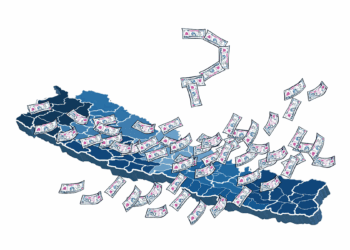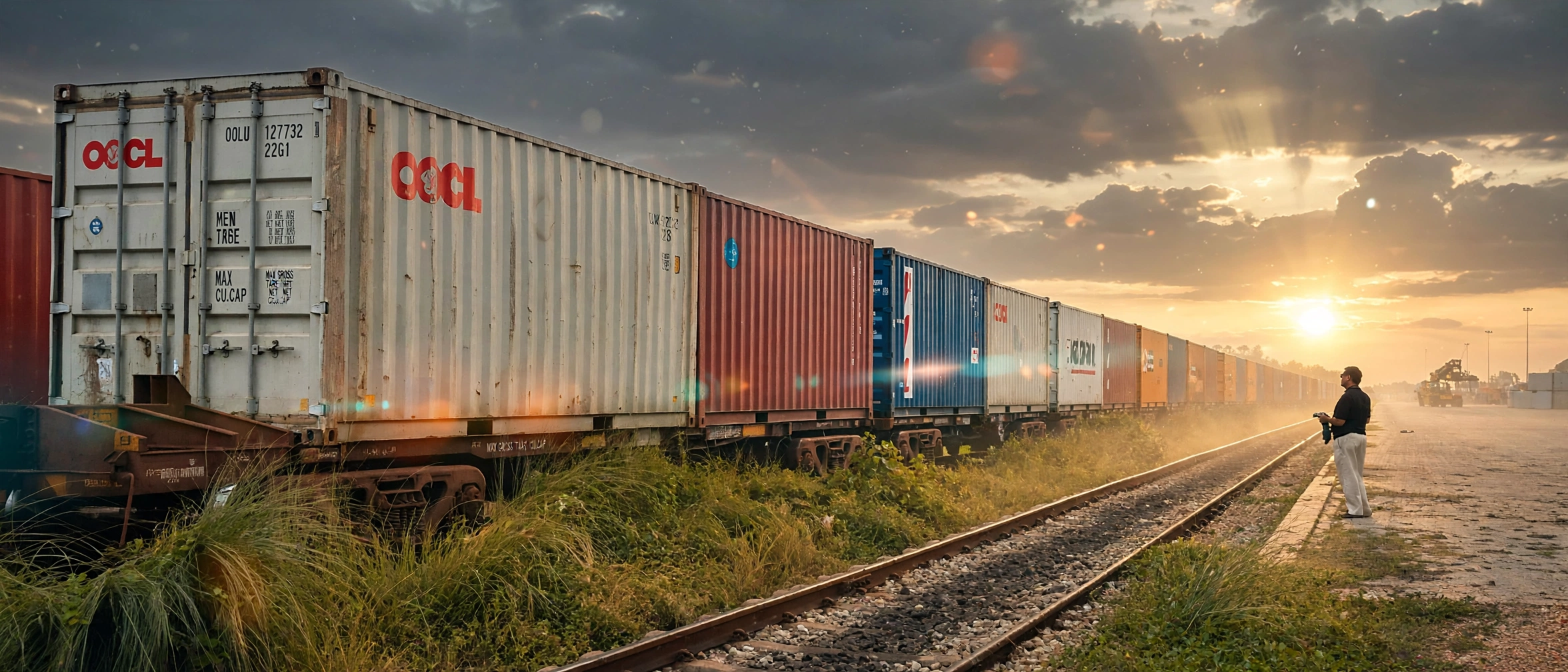
Nepal has no coastline. So, every container bound for Kathmandu must first cross Indian territory. This reality shapes the Kolkata to Kathmandu container transit time and cost for nearly every business in the country. Understanding this route matters, whether you import machinery, textiles, or electronics. In this guide, we break down transit times, real costs, and the bottlenecks that slow everything down. We also compare the Vizag route, since it’s now a real alternative. Let’s dig into the numbers.
Why Nepal Depends on Indian Ports in the First Place
Nepal is landlocked. Therefore, it relies entirely on foreign ports for sea trade. Under the 1965 India-Nepal Transit Treaty, Kolkata (including Haldia) and Visakhapatnam serve as Nepal’s official gateway ports. Nearly all third-country trade flows through one of these two points. Consequently, the Kolkata to Kathmandu container transit time and cost become the backbone of Nepal’s entire import-export economy. Without direct sea access, Nepali traders pay what economists call a “landlocked tax.” This tax shows up as extra transport charges, longer waiting periods, and unpredictable delivery schedules. Every additional handling point adds friction. And friction, in logistics, always translates into money and time.
The Kolkata-Kathmandu Corridor: Distance and Route Structure
Geographically, Kolkata is the closer of Nepal’s two gateway ports. The distance between Kolkata port and Birgunj, Nepal’s main dry port, is roughly 680 to 706 kilometers. From there, Kathmandu lies another 135 to 300 kilometers north, depending on the route chosen. Cargo generally moves in three stages. First, containers travel by rail or road from Kolkata port to Birgunj dry port. Second, customs clearance happens at the Integrated Check Post in Birgunj. Third, trucks carry the goods onward to Kathmandu. Rail cargo typically runs through the Raxaul-Birgunj border crossing, since this is the only rail-linked inland clearance depot in Nepal. Road cargo, meanwhile, uses several border points, though Birgunj remains the busiest by far.
The final Kathmandu leg deserves special mention. Standard trucks and buses must use the Prithvi Highway, a roughly 300-kilometer stretch. This drive should take 4 to 5 hours ideally. In practice, though, it often takes 8 to 10 hours because of poor road conditions and frequent breakdowns. That single stretch alone can double the expected delivery window.
Average Transit Time from Kolkata to Kathmandu
So, how long does the journey actually take? The honest answer is: it varies considerably. Under smooth conditions, rail-borne containers move from Kolkata or Haldia to Birgunj dry port in roughly 3 to 11 days. However, congestion at Kolkata port frequently extends this window. Industry reports describe cases where import cargo takes 16 to 27 days to reach Birgunj by rail during peak periods. Road transport, by comparison, tends to be faster for smaller shipments but suffers from truck availability issues and highway bottlenecks.
Once containers reach Birgunj, customs clearance through the ASYCUDA electronic system typically takes 2 to 3 business days. After clearance, the truck journey to Kathmandu adds another 4 to 10 hours, depending on vehicle size and road conditions. Adding it all up, a realistic end-to-end estimate for the Kolkata to Kathmandu container transit time and cost puts total delivery somewhere between 7 and 21 days under normal circumstances. During congestion spikes, however, this figure can stretch well beyond three weeks. Freight forwarders often request 15 to 21 days of container detention-free time specifically because of this unpredictability. That request alone tells you how routine these delays have become.
Comparing the Vizag Route: Is It Faster?
Visakhapatnam, commonly called Vizag, became Nepal’s second gateway port in 2016. It sits roughly 1,350 to 1,440 kilometers from Birgunj, nearly double the Kolkata distance. Yet surprisingly, some traders report shorter transit times through Vizag. This happens because Vizag is a deep-water port. It can handle larger mother vessels directly, without the transhipment delays that Kolkata’s shallower, riverine port requires in Singapore. Reported rail transit times from Vizag to Birgunj range from about 4 to 5 days under favorable scheduling, though other estimates run closer to 9 to 11 days depending on rake availability. Kolkata’s rail leg is shorter in distance but often slower in practice, largely due to port congestion and limited unloading capacity at the Raxaul-Birgunj rail yard.
Cost tells a similar story. Even though Vizag is farther away, some analyses estimate savings of roughly $200 per container on the total door-to-door journey. This is because cheaper ocean freight, fewer demurrage charges, and more predictable scheduling offset the longer inland haul. Still, Kolkata remains dominant. It handles the vast majority of Nepal’s third-country cargo, partly out of habit and partly because of established trucking and forwarding networks.
Cost Breakdown: What a Container Really Costs
Cost is where the landlocked tax becomes most visible. According to trade data compiled before the World Bank discontinued its Doing Business rankings, domestic transport alone cost around $330 per container to move goods from Nepal to the Indian border. On top of that, border compliance added roughly $103, while documentary compliance added another $110. These figures exclude tariffs entirely; they only cover logistics and paperwork.
Rail transport between Kolkata and Birgunj has historically offered savings over road haulage, especially for heavier loads. Industry estimates suggest importers save around 10,000 Indian rupees per twenty-foot container by choosing rail over road, mainly in the 26-tonne-and-above weight category. Bringing a single TEU into Birgunj dry port and returning the empty container has been estimated at roughly $1,950 in total logistics cost, though this fluctuates with fuel prices and port charges. Trucking a container the entire distance from Kolkata to Kathmandu, meanwhile, can cost anywhere from $300 to $600, not including port fees or customs charges.
Zoom out, and the picture becomes even starker. Transportation costs can consume up to 35% of total export expenses in Nepal. Compare that to just 8-10% in many developed economies. Overall logistics costs, according to trade researchers, exceed 25% of total trade value for Nepali businesses. That’s an enormous competitive disadvantage for a small, trade-dependent economy.
Why Delays Keep Happening: The Real Friction Points
Several structural issues drive up the Kolkata to Kathmandu container transit time and cost. First, Kolkata port suffers from chronic congestion. Limited berth space and heavy cargo volumes mean containers often wait days just to be unloaded. Second, the Birgunj rail yard has serious capacity constraints. Reports show it took an average of 25 hours to unload a single rake in recent years, far below its stated capacity. Third, multiple checking agencies operate at the border. Each additional inspection point adds time, even when individual checks are quick. Fourth, empty container returns create a bottleneck of their own. Importers sometimes hold onto containers longer than necessary, which then delays the next shipment cycle. Finally, poor highway infrastructure between Birgunj and Kathmandu compounds every upstream delay. Even a container that clears customs quickly can still get stuck in traffic or breakdown-related holdups on the Prithvi Highway.
Together, these friction points explain why Nepal’s logistics performance lags behind regional peers. It’s not one single failure. Rather, it’s a chain of small inefficiencies that compound at every stage of the journey.
Ongoing Efforts to Improve the Corridor
To be fair, progress has happened. The Integrated Check Post at Birgunj, inaugurated in 2018, introduced the ASYCUDA World customs system and modernized border infrastructure. This single change reportedly cut documentation time significantly. Additionally, Nepal has pushed India to expand rail-based dry ports beyond Birgunj, including proposed facilities near Biratnagar, Bhairahawa, and Nepalgunj. If these materialize, traders would gain alternatives to the single congested Birgunj corridor. Container tracking through electronic data interchange systems is also expanding, which should improve predictability over time. None of these fixes are instant. But together, they suggest the Kolkata to Kathmandu container transit time and cost could gradually improve over the coming years, assuming infrastructure investment continues.
Conclusion
The Kolkata to Kathmandu container transit time and cost reflect a deeper structural challenge: being landlocked in a region with underdeveloped cross-border rail and dry port connections. Realistically, importers should budget 7 to 21 days for the inland journey alone, with costs ranging from roughly $1,000 to $2,500 per container depending on mode and congestion levels. Vizag offers a genuine, if counterintuitive, alternative worth evaluating for certain shipments. Until Nepal secures more dry ports and faster rail links, though, these delays and costs will likely remain a defining feature of doing business there. Planning around this friction, rather than ignoring it, remains the smartest move for any importer.
Frequently Asked Questions
How long does it take for a container to travel from Kolkata to Kathmandu?
Typically, the journey takes between 7 and 21 days, including rail or road transport to Birgunj, customs clearance, and the final truck leg to Kathmandu. Congestion at Kolkata port can extend this timeline further.
Is the Vizag route faster than the Kolkata route?
Sometimes, yes. Despite being nearly double the distance, Vizag’s deep-water port avoids Singapore transhipment delays. This can make total transit time competitive with, or even shorter than, the Kolkata route in certain conditions.
What does it cost to move a container from Kolkata to Kathmandu?
Costs generally fall between $1,000 and $2,500 per container, covering domestic transport, port charges, customs compliance, and inland trucking. Exact figures depend on container weight, mode of transport, and border wait times.
Why does Nepal rely on Indian ports for its trade?
Nepal has no coastline. Under the India-Nepal Transit Treaty, Kolkata and Visakhapatnam serve as its designated gateway ports for all third-country sea trade.
What is Birgunj dry port, and why does it matter?
Birgunj dry port, also called ICD Sirsiya, is Nepal’s only rail-linked inland clearance depot. Nearly all rail-borne import and export cargo passes through this single facility, making it a critical chokepoint in the supply chain.
Why is Nepal’s logistics cost so much higher than other countries?
Poor road infrastructure, port congestion, multiple border inspection agencies, and reliance on a single rail-linked dry port all add cost. Combined, these factors push logistics costs above 25% of total trade value for many Nepali businesses.