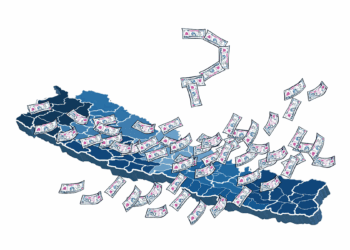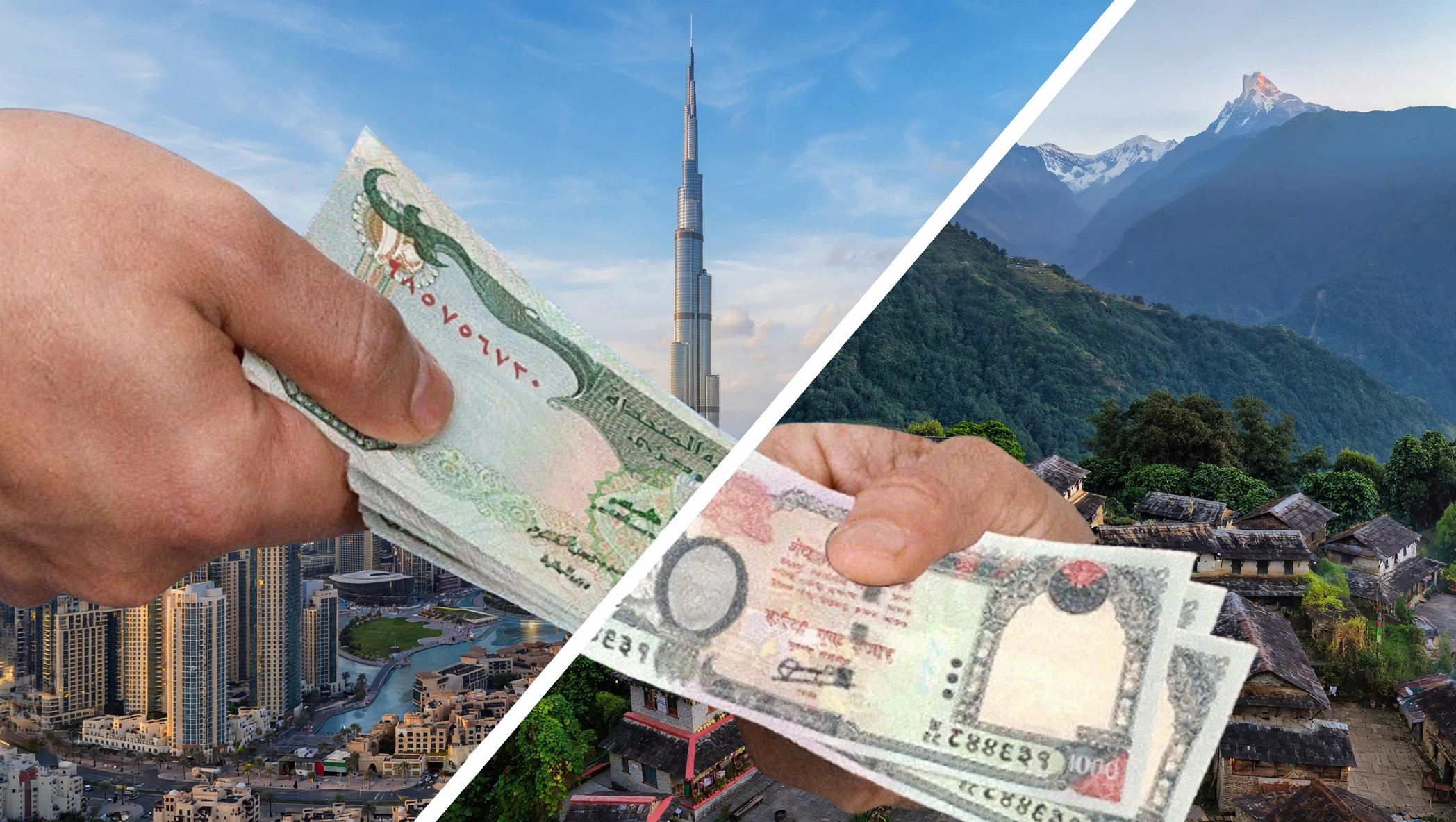
Remittance in Nepal is no longer a side story. It is the backbone of the national economy. Every month, hundreds of thousands of Nepali workers abroad send money home. That money builds houses, pays school fees, and fills grocery baskets. It also props up the entire foreign exchange system.
This article breaks down the latest numbers. It also explains why remittance in Nepal keeps growing, where the money comes from, and what risks lie ahead. Whether you are a student, a policymaker, or simply curious, this guide covers it all.
What Is Remittance in Nepal?
Remittance in Nepal refers to money sent by Nepali migrant workers abroad to their families back home. Most transfers happen through banks, money transfer operators, and mobile wallets. A smaller share still moves through informal hand-carry channels.
Nepal has one of the highest remittance dependency rates in the world. In fact, remittance inflows account for roughly a quarter to nearly a third of the country’s gross domestic product. That places Nepal among the top remittance-dependent economies globally, alongside nations like Tajikistan and Tonga.
Remittance in Nepal: The Latest Numbers
Data from Nepal Rastra Bank, the country’s central bank, shows a sharp upward trend. Let’s look at the figures.
Record-Breaking Fiscal Year 2024/25
Remittance inflows to Nepal reached Rs 1,723.27 billion in fiscal year 2024/25. That marked a 19.2 percent increase over the previous year. It was, at the time, the highest annual remittance figure ever recorded.
Even Faster Growth in 2025/26
However, the current fiscal year has smashed that record. During the first quarter of fiscal year 2025/26, remittance inflows rose 35.4 percent to Rs 553.31 billion. That is a much steeper climb than the 11.9 percent growth seen in the same quarter a year earlier.
The momentum did not slow down. By the seventh month of the fiscal year, remittance inflows had jumped 39.8 percent, reaching Rs 1,261.01 billion. And by month ten, the total climbed to Rs 1,916.90 billion, a 41.2 percent year-on-year increase. In US dollar terms, that works out to roughly $13.26 billion for just ten months.
Monthly Remittance Tops Rs 200 Billion
For the first time in history, monthly remittance inflows crossed the Rs 200 billion mark. This milestone happened in the month of Magh, or mid-January to mid-February 2026, when Nepal received Rs 198.08 billion. Compare that to Rs 137.50 billion during the same month a year earlier. Clearly, remittance in Nepal is accelerating, not slowing.
Why Is Remittance in Nepal Rising So Fast?
Several factors are driving this surge. Understanding them helps explain the bigger picture.
1. Rising Outmigration
Job opportunities remain scarce at home. As a result, more Nepalis are leaving for foreign employment every year. In the first quarter of fiscal year 2025/26 alone, 200,716 Nepalis departed with work permits. That is an 18 percent jump from the previous year. On average, nearly 2,230 people left the country daily during that period.
2. A Stronger US Dollar
Currency movements also matter. The Nepali rupee depreciated by roughly 2.3 percent against the US dollar between mid-July and mid-October 2025. When the dollar strengthens, each dollar sent home converts into more rupees. Naturally, this boosts the reported remittance value.
3. Higher-Wage Destinations
Nepali workers are increasingly choosing higher-wage destinations. Countries like Japan, Australia, and Canada are drawing more students and skilled workers. These destinations often pay more than traditional Gulf markets, which further lifts overall remittance value.
4. Better Formal Channel Compliance
Stronger anti-money-laundering rules have improved trust in banks and licensed money transfer operators. Consequently, fewer transactions slip through informal or unregulated networks. This shift pushes more money into the official, recorded remittance stream.
Top Source Countries for Remittance in Nepal
Where does this money actually come from? A handful of countries dominate the picture.
- Saudi Arabia – One of the largest single sources of remittance in Nepal.
- Malaysia – A long-standing top destination for Nepali labor migrants.
- Qatar – Hosts a huge share of Nepali construction and service workers.
- United Arab Emirates – Another major Gulf contributor.
- India – The most common destination due to open-border access, though average amounts per worker are often smaller.
- United States and Australia – Smaller in worker numbers, but each remitter tends to send larger sums due to higher wages.
- South Korea and Japan – Popular for skilled and semi-skilled labor migration.
Together, these countries form the backbone of remittance in Nepal. Interestingly, Gulf nations and Malaysia alone account for a large majority of total inflows.
How Remittance Shapes Nepal’s Economy
Remittance does far more than fill household wallets. It ripples through the entire national economy.
Strengthening Foreign Exchange Reserves
Nepal’s foreign exchange reserves have climbed to record highs, largely thanks to remittance in Nepal. By mid-March 2026, gross reserves stood at over Rs 3,413 billion. That is enough to cover more than 21 months of merchandise imports. Just a few years ago, reserves were dangerously low, covering barely six months of imports. Remittance reversed that trend almost single-handedly.
Supporting the Balance of Payments
Because remittance inflows often outpace import spending, Nepal’s current account frequently runs a surplus. This surplus, in turn, keeps the broader balance of payments healthy. Without steady remittance, Nepal would likely face persistent foreign currency shortages.
Reducing Poverty
Historically, remittance in Nepal has helped cut poverty rates significantly. Studies show poverty declined from around 42 percent in the mid-1990s to about 25 percent by the early 2010s. Remittance income played a major role in that shift, since it directly raises household consumption and savings.
A Growing Share of Households Depend on It
More than a third of Nepali households now receive remittance income. That is a dramatic rise from just over 10 percent three decades ago. Meanwhile, the average annual remittance per sender has grown many times over during the same period.
The Hidden Challenges Behind the Numbers
Despite the good news, remittance in Nepal carries real risks. It is worth pausing to consider them.
Consumption Over Investment
Most remittance money goes toward daily consumption, not productive investment. Families typically spend it on food, education, and loan repayment. Very little flows into businesses, agriculture, or manufacturing. As a result, Nepal’s economy remains heavily consumption-driven rather than production-driven.
Labor Shortages at Home
As more young workers head abroad, farms and local industries face labor shortages. Agricultural productivity has stagnated in many rural districts. Ironically, the very money meant to support rural households may be weakening the rural workforce.
Overdependence Risk
Relying so heavily on remittance leaves Nepal exposed. Any global economic shock, war, or policy change in host countries could sharply cut inflows. Such a disruption would immediately strain the national economy, given how central remittance has become.
Weak Job Creation at Home
Despite soaring reserves, remittance has not translated into strong local job creation. Development spending remains low, and market demand stays weak. Business leaders often point to this gap as a major structural concern.
How Remittance Reaches Families in Nepal
Migrant workers typically use a few common channels to send money home.
- Bank transfers – Direct transfers through Nepali commercial banks remain the most trusted option.
- Money transfer operators – Companies like Western Union and IME Nepal offer fast, wide-reaching services.
- Mobile wallets and digital apps – Digital remittance is growing quickly, especially among younger migrants.
- Informal hand-carry – Some money still moves informally, though this share continues to shrink.
Formal channels now dominate, largely because of tighter compliance rules and greater trust in digital platforms.
The Road Ahead for Remittance in Nepal
Looking forward, several trends are likely to continue shaping remittance in Nepal.
First, outmigration will probably keep rising unless domestic job creation improves substantially. Second, currency fluctuations will keep influencing the rupee value of remittances, even if the actual dollar amount stays flat. Third, policymakers face growing pressure to channel remittance into productive investment rather than pure consumption.
Ultimately, remittance in Nepal will remain a defining economic force for years to come. The real question is whether the country can convert this inflow into lasting, sustainable development.
Conclusion
Remittance in Nepal has reached unprecedented levels, crossing Rs 1,900 billion in just ten months of the current fiscal year. This flow of money has strengthened foreign exchange reserves, supported the balance of payments, and lifted millions out of poverty. Still, challenges remain. Consumption-heavy spending, rural labor shortages, and overdependence all pose long-term risks.
Going forward, Nepal’s real task is not just to attract more remittance in Nepal, but to use it wisely. Smarter investment policies could turn this steady inflow into a foundation for lasting growth, rather than a temporary economic cushion.
Frequently Asked Questions About Remittance in Nepal
1. What is the current remittance amount in Nepal?
Remittance in Nepal reached Rs 1,916.90 billion in the first ten months of fiscal year 2025/26, according to Nepal Rastra Bank. That marks a 41.2 percent increase over the same period last year.
2. Which countries send the most remittance to Nepal?
Saudi Arabia, Malaysia, Qatar, and the United Arab Emirates are the top source countries. India, the United States, Australia, South Korea, and Japan also contribute significantly.
3. Why is remittance in Nepal increasing so quickly?
Rising outmigration, a stronger US dollar, higher-wage job destinations, and improved formal channel compliance all contribute to the sharp increase.
4. How much does remittance contribute to Nepal’s GDP?
Remittance typically accounts for around a quarter to nearly a third of Nepal’s gross domestic product, making it one of the most remittance-dependent economies in the world.
5. How do Nepali migrants send money home?
Most migrants use bank transfers, licensed money transfer operators, or mobile wallets. A small share still moves through informal hand-carry channels.
6. Is remittance in Nepal used for investment or consumption?
Most remittance income goes toward daily consumption, including food, education, and loan repayment. Only a small portion is invested in productive sectors like business or agriculture.
7. What risks does Nepal face from remittance dependency?
Key risks include rural labor shortages, weak local job creation, consumption-heavy spending patterns, and vulnerability to global economic shocks affecting host countries.