For generations, rural communities across the developing world relied entirely on the soil. Families grew what they ate. They sold small surpluses at local markets. This traditional lifestyle is known as subsistence agriculture. Today, a massive economic shift is rewriting this story. Millions of workers are leaving their rural homes for jobs abroad. They send billions of dollars back to their families every year. This massive cash flow has triggered a profound economic evolution. It marks the transition from an agrarian baseline to a model of remittance-driven consumption.
This transition fundamentally alters how communities function. Money from abroad replaces the uncertain yields of the land. Consequently, rural areas are transforming into vibrant consumer hubs. However, this structural shift brings both great opportunities and critical vulnerabilities. Let us look closely at how this economic restructuring changes the modern world.

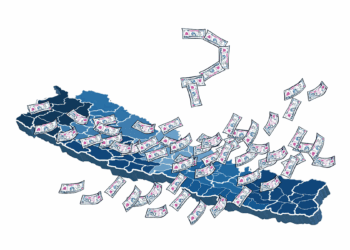
Global Remittance Network Dynamics. Source: VectorMine / Getty Images
1. Understanding the Baseline: The Subsistence-Agriculture Model
To understand this economic evolution, we must first examine the starting point. Subsistence agriculture is an ancient economic system. In this model, farming households focus entirely on survival.
- Low Capital Inputs: Farmers rely heavily on manual tools. They rarely have access to high-quality fertilizers or advanced machinery.
- Weather Dependency: Crop yields depend heavily on regular rainfall patterns. A bad season can cause immediate food insecurity.
- Minimal Market Integration: Most produced food is consumed directly by the family. Very little food enters commercial supply chains.
Therefore, financial liquidity is incredibly rare in these settings. Families possess valuable assets like land and livestock. Yet, they rarely hold cash reserves. This lack of cash creates a vicious cycle of poverty. For instance, farmers cannot afford to buy modern tools or high-yield seeds. As a result, productivity remains stagnant for decades.
2. The Great Migration Catalyst: Leaving the Land Behind
Why do rural youth choose to leave their ancestral lands? The answers are quite clear. Stagnant agricultural wages cannot compete with international opportunities. Local climate disruptions also make farming highly unpredictable.
Furthermore, global cities offer a powerful financial pull. Countries in the Gulf Cooperation Council (GCC), East Asia, and Europe require massive labor forces. Millions of workers from nations like Nepal, Bangladesh, and Ghana fill these critical roles.
This movement creates an immediate demographic shift. The strongest young workers exit the rural labor market. They swap their plows for construction tools, hospitality uniforms, and service jobs. Suddenly, a community that once exported crops begins to export human labor.
3. The Inner Mechanics of Remittance-Driven Consumption
When a migrant finds work, money begins to flow back home. These international transfers are called remittances. They act as a direct, private safety net for rural households.
Unlike foreign aid, remittances go straight to families. There is no bureaucratic middleman to dilute the funds. When this capital arrives, household behavior changes instantly. The family experiences a massive surge in purchasing power.
[Migrant Income Abroad]
│
▼
[Direct Cash Transfer]
│
▼
[Immediate Household Liquidity]
│
▼
[Remittance-Driven Consumption] (Food, Housing, Education)
This newfound liquidity triggers the phase of remittance-driven consumption. Families no longer rely solely on what they can harvest. Instead, they enter the formal cash economy. They buy manufactured goods, processed packaged food, and imported appliances.
4. How Remittance-Driven Consumption Alters Local Marketplaces
The sudden influx of cash changes local market dynamics entirely. In the past, village shops carried only basic necessities. Today, those same shops stock global brands and consumer electronics.
The Retail and Service Boom
First, retail sectors expand rapidly. Small corner stores grow into larger supermarkets. Demand for modern digital services skyrockets. For example, mobile phone shops and internet cafes open in remote towns. People now have the cash to pay for monthly data plans.
The Real Estate Transformation
Second, housing demands change completely. In traditional villages, houses are built from mud, wood, and thatch. Remittance cash allows families to build modern concrete homes. This creates a massive boom in the local construction sector. It generates jobs for cement suppliers, bricklayers, and electricians.
The Shift in Dietary Patterns
Third, food consumption patterns change radically. Subsistence families used to eat local grains and seasonal vegetables. Now, they buy imported rice, packaged meats, and dairy products. They prefer the convenience of store-bought foods over hard farm labor.
5. The “Lost Labor Effect” and the Paradox of Rural Farming
While consumption thrives, the local agricultural sector often suffers a quiet decline. Economists call this dynamic the “Lost Labor Effect.” When young adults migrate, farms lose their primary workforce.
The Agrarian Paradox: Remittances provide the cash needed to buy better farming inputs. However, migration simultaneously removes the labor required to manage the fields.
This paradox shapes rural communities in several distinct ways:
- Feminization of Agriculture: With men working abroad, women must take over farm management. This increases their social autonomy but vastly multiplies their daily workload.
- Fallow Farmlands: Many families choose to stop farming altogether. They realize that buying imported food is much easier than cultivating difficult terrain.
- Surging Rural Wages: Because local labor is scarce, hiring farmhands becomes incredibly expensive. This drives up the cost of local food production.
Consequently, domestic farming becomes less competitive. The community grows increasingly dependent on external food networks.
6. Macroeconomic Impacts: Evaluating Growth Versus Economic Dependency
On a national level, remittance-driven consumption serves as a powerful economic engine. It keeps millions of families out of absolute poverty.
| Economic Variable | Impact of Remittances | Long-Term Strategic Risk |
| Poverty Reduction | Lowers absolute poverty rates rapidly. | Does not address the root causes of domestic unemployment. |
| Foreign Exchange | Stabilizes national currency reserves. | Can cause currency overvaluation, hurting local exporters. |
| Trade Balance | Fuels massive demand for imported goods. | Widens the national trade deficit significantly. |
| Gross Domestic Product | Drives immediate retail and service growth. | Creates a fragile economy vulnerable to global shocks. |
As shown above, the model creates a dual reality. On one hand, central banks love remittances. The funds provide stable foreign currency reserves. This helps governments pay off international debts.
On the other hand, the wider economy becomes highly fragile. If a global crisis hits the host country, remittance flows can stop instantly. The home country then faces a severe consumption crash.
7. Socio-Cultural Transformations in Rural Communities
The economic shift rewrites the social contract within rural villages. Traditional hierarchies are often built on land ownership. Wealthy landlords used to hold all the local power.
Migration changes this dynamic entirely. A youth from a landless family can travel abroad. Within a year, that worker can send home substantial funds. The family can then purchase land and build a beautiful home.
[Traditional Wealth: Land Ownership] ──► [New Wealth: International Liquid Cash]
This financial mobility disrupts ancient social structures. It democratizes wealth in rural areas. Furthermore, families prioritize education. They use remittance money to send their children to private English-medium schools. This investment builds vital human capital for the next generation.
8. Strategic Policy Paths: Turning Consumption into Productive Investment
How can developing nations move beyond a simple consumption model? Governments must design smart policies. The goal is to channel consumption into productive domestic investments.
Bridging the Financial Gap
First, financial institutions must offer specialized migration loans. They should create secure, low-cost digital remittance channels. This brings informal cash into the official banking ecosystem.
Incentivizing Smart Agro-Tech
Second, governments can subsidize modern agricultural technologies. Remittance-receiving families have the cash to buy hybrid seeds and drip irrigation systems. If farming becomes less labor-intensive, families will return to cultivating their lands.
Developing Local Micro-Enterprises
Third, states should offer tax breaks for returnee migrants. If a worker saves money abroad, they should be encouraged to start a local business. For example, they could open a modern poultry farm or a transport logistics company. This transforms a consumer into a local job creator.
Conclusion: Navigating the Future of Remittance-Driven Consumption
In conclusion, remittance-driven consumption represents a pivotal turning point for developing economies. The transition away from grueling subsistence agriculture relieves immediate financial misery. It gives rural households access to better food, modern housing, and superior education.
However, a pure consumption model is a short-term solution. True structural development requires turning this cash into local production. Nations must not rely solely on exporting their brightest labor. Instead, they must use remittance inflows to build strong internal industries. By balancing immediate consumption with smart local investments, developing nations can secure long-term economic independence.
Frequently Asked Questions (FAQs)
What is remittance-driven consumption?
It is an economic model where household spending relies primarily on money sent by migrant workers abroad, rather than on income generated from local production or traditional agriculture.
How does migration cause the feminization of agriculture?
When economically active males move abroad for work, the women left behind must take over household decision-making and farm management, which significantly alters traditional gender roles.
Why do remittances sometimes hurt local agricultural productivity?
Migration creates an acute shortage of local farm labor. This labor deficit drives up local wages and often forces families to leave their arable lands completely fallled.
Can an economy depend permanently on remittance-driven consumption?
No, relying solely on remittances is highly risky. It leaves the home country deeply vulnerable to global political shifts, economic downturns, and border closures in host nations.