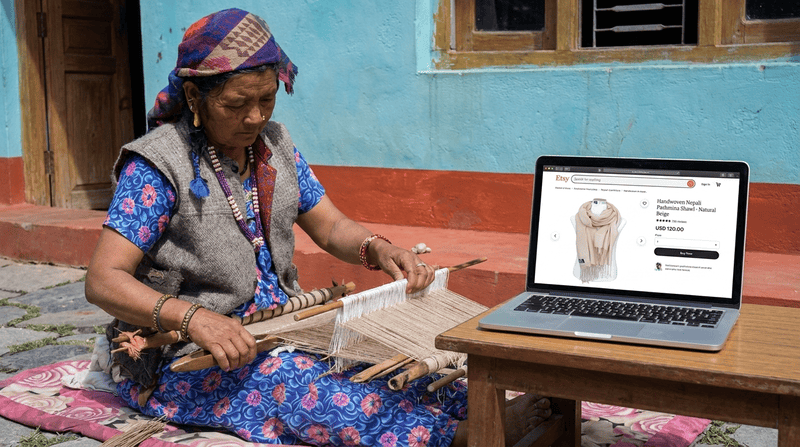
Nepal’s artisans have always told stories through their hands. Now, they’re telling them online too.
From pashmina shawls to hand-rolled tea, Nepal artisanal exports are entering a new era. E-commerce platforms are connecting village workshops directly to global buyers. This shift is changing everything, from shipping logistics to brand storytelling.
However, this transformation isn’t happening without friction. Traditional exports like carpets are struggling, even as niche products find new digital audiences. Understanding this shift matters, especially for tracking long-term export health.
In this article, we’ll explore how Nepal artisanal exports are evolving, what the trade data shows, and why gross merchandise value through specialized platforms is becoming a critical metric to watch.
Why Nepal Artisanal Exports Matter
Nepal’s handicraft sector isn’t a small niche. It spans 42 distinct product groups, according to the Handicraft Association of Nepal. These include pashmina, metal crafts, wood carvings, hand-knitted goods, and religious artwork.
Historically, these products moved through traditional export channels. Buyers were mostly wholesalers, boutique retailers, and international trade fairs. Consequently, individual artisans rarely captured much value themselves.
Today, that’s changing. E-commerce platforms like Etsy, Amazon Handmade, and Shopify now let individual artisans and small cooperatives sell directly to consumers. This shift matters because it reshapes who benefits from Nepal artisanal exports, not just how much gets exported.
The Trade Data: A Mixed Picture
Let’s look at the numbers, because they reveal real volatility across categories.
According to the Kathmandu Post, citing Trade and Export Promotion Centre data, carpet exports reached Rs 8.84 billion between mid-July 2024 and mid-May 2025. That’s a modest rise from Rs 8.79 billion the previous year, contributing just over 4% of total exports.
Tea, meanwhile, performed far better during that same period. Tea exports jumped 37%, reaching Rs 3.97 billion on 14,030 tonnes shipped. Pashmina also grew, rising 5.4% to Rs 2.49 billion.
However, more recent monthly data tells a rougher story. According to NEPSE Trading’s analysis of FY 2025/26 figures, woolen carpet exports fell sharply, down 26.6% in a single month to Rs 820.5 million. Tea exports plunged even further, down 41%, reversing a previous 87% surge. Pashmina, by contrast, held relatively steady, rising 5.8% to Rs 317.3 million in the same period.
This volatility highlights an important truth. Traditional bulk exports are struggling against synthetic competition and shifting global trends. Yet, premium, story-driven products like pashmina continue finding resilient demand.
Why Pashmina Keeps Outperforming
Pashmina’s resilience deserves closer attention, since it offers a blueprint for the rest of the sector.
Unlike carpets, pashmina benefits from strong brand recognition. It’s marketed as luxury, not commodity. Buyers aren’t just purchasing fabric. They’re purchasing heritage, craftsmanship, and exclusivity.
Furthermore, pashmina fits naturally into e-commerce storytelling. A single shawl can carry a narrative, tracing its journey from Himalayan goats to skilled weavers. This kind of narrative resonates deeply with online shoppers, particularly in Europe, North America, and Japan.
According to Sourcing Nepal, buyers in these regions are increasingly drawn to origin stories and ethical sourcing. That’s precisely the kind of value proposition platforms like Etsy and Amazon Handmade are built to highlight.
The Role of E-Commerce Platforms in Nepal’s Export Strategy
E-commerce isn’t just changing how products are sold. It’s changing who can participate in global trade.
Platforms such as Etsy and Amazon Handmade have made cross-border trade accessible for small businesses, according to research published in the Journal of Nepal Commerce Association. These platforms provide logistics support, payment processing, and access to international customers that individual artisans could never reach alone.
Additionally, specialized Nepal-focused platforms have emerged. Export From Nepal, for instance, positions itself as a dedicated marketplace connecting Nepali exporters directly with global wholesalers, retailers, and end consumers. These niche platforms complement global giants by focusing specifically on Nepali products and provenance.
Nonetheless, challenges remain. Many Nepali small and medium enterprises still lack expertise in customs clearance, international compliance, and logistics planning, according to UB Cargo Nepal’s industry analysis.
Solving the Shipping Puzzle
Shipping costs remain one of the biggest barriers to scaling Nepal artisanal exports online.
Consider one real example. A Nepali handicraft seller on Etsy initially faced steep shipping costs and long delivery times to customers in the United States. This resulted in order cancellations and frustrated buyers, according to UB Cargo Nepal.
To solve this, logistics providers have started building smarter fulfillment networks. UB Cargo Nepal, for instance, partnered with global carriers like DHL, FedEx, and UPS to secure discounted shipping rates. They also established partner warehouses in India, Dubai, and the United States, allowing bulk shipments to be distributed locally.
The results can be dramatic. One Bhaktapur-based handicraft business scaled from just 50 monthly orders to over 200, after switching to a bulk-shipping model routed through a German warehouse partner. That’s the kind of logistics innovation making global e-commerce genuinely viable for small Nepali producers.
Storytelling as a Competitive Advantage
Beyond logistics, branding has become just as critical to Nepal artisanal exports.
Modern consumers, especially younger ones, care about where products come from. They want to know who made it, how, and why it matters. This is where Nepal has a natural advantage.
According to Sourcing Nepal, highlighting artisan stories and cultural significance can meaningfully increase perceived product value. A wood carving isn’t just decor. It’s a piece of Newari craftsmanship, passed down through generations. A hand-knotted carpet isn’t just floor covering. It represents centuries-old weaving traditions.
Platforms that let sellers showcase this narrative, through photos, videos, and artisan profiles, tend to command higher prices. This storytelling advantage is precisely why niche, curated marketplaces often outperform generic wholesale channels for premium Nepali products.
Tracking GMV: Why This Metric Matters
So why focus specifically on gross merchandise value, or GMV, tracked through specialized platforms?
Traditional export statistics, like those published by Nepal’s Trade and Export Promotion Centre, capture overall shipment value. However, they don’t distinguish between bulk wholesale exports and direct-to-consumer e-commerce sales. This distinction matters enormously.
GMV tracked specifically through e-commerce platforms reveals how much value is flowing through digital, story-driven channels versus traditional bulk trade. As direct-to-consumer sales grow, more value can potentially stay within artisan communities, rather than being captured by multiple layers of middlemen.
Unfortunately, comprehensive GMV data specifically for Nepal’s handicraft sector isn’t yet centrally published. Platforms like Etsy don’t break out country-specific seller revenue publicly. This makes GMV a metric that Nepal’s trade bodies and platform operators should prioritize collecting going forward.
Even without perfect data, however, broader indicators suggest the digital shift is real. According to Volunteers Initiative Nepal, the export value of Nepali handicrafts has grown by over 15% over the past five years. E-commerce platforms are credited as a significant driver of that growth, particularly for reaching international collectors and enthusiasts.
Challenges Facing Digital-First Artisanal Export
Despite the promise, several obstacles continue slowing Nepal’s artisanal e-commerce growth.
First, shipping costs remain high relative to product value, especially for lower-priced handicrafts. A small wooden carving might cost more to ship than it does to produce. This economics problem limits which products can realistically compete online.
Second, digital literacy gaps persist among rural artisan communities. Many skilled craftspeople lack the technical knowledge needed to manage online storefronts, product photography, or customer service independently.
Third, counterfeit and imitation products threaten brand trust. This is a particular concern for pashmina, where synthetic blends are sometimes marketed as authentic cashmere. Industry experts have repeatedly called for stronger anti-counterfeit measures to protect Nepal’s reputation.
Finally, currency fluctuations and international payment friction can complicate transactions for smaller sellers. Without reliable international payment infrastructure, some artisans still depend on intermediaries to complete sales.
The Path Forward for Nepal Artisanal Exports
Addressing these challenges requires coordinated effort across government, platforms, and logistics providers.
Government trade bodies could help by supporting shared fulfillment infrastructure. Bulk warehousing in key international markets, similar to what UB Cargo Nepal has piloted, could dramatically cut shipping costs for smaller producers.
Meanwhile, platforms themselves could invest more directly in artisan training. Better photography, storytelling, and storefront management skills would help Nepali sellers compete more effectively in crowded global marketplaces.
Additionally, stronger certification systems could protect premium products like pashmina from counterfeit competition. This would preserve the trust that makes storytelling-driven branding effective in the first place.
Ultimately, building better data infrastructure matters too. Tracking GMV specifically through specialized artisanal platforms would give Nepal’s policymakers and exporters a much clearer picture of what’s actually working.
Conclusion
Nepal artisanal exports are standing at a genuine crossroads. Traditional bulk categories like carpets face real headwinds, from synthetic competition to shifting global tastes. Yet, story-driven products like pashmina continue finding resilient, even growing, demand.
E-commerce platforms are proving essential to this resilience. They’re not just sales channels. They’re storytelling engines, connecting Himalayan craftsmanship directly with global buyers who value authenticity.
Going forward, tracking gross merchandise value through these specialized platforms will be essential. It’s the clearest way to measure whether Nepal’s artisans are truly capturing more value from the world’s growing appetite for handmade, ethically sourced goods.
FAQ: Nepal Artisanal Exports and E-Commerce
What are Nepal’s main artisanal export products?
Nepal’s top artisanal exports include pashmina, woolen carpets, tea, metal crafts, wood carvings, and handmade paper products, spanning 42 distinct handicraft categories.
How is e-commerce changing Nepal artisanal exports?
Platforms like Etsy, Amazon Handmade, and Shopify let individual artisans sell directly to global buyers, bypassing traditional wholesale middlemen.
Why are pashmina exports performing better than carpet exports?
Pashmina benefits from strong luxury branding and storytelling appeal, while carpets face growing competition from cheaper synthetic alternatives.
What is gross merchandise value, and why does it matter for handicrafts?
GMV measures total sales value flowing through e-commerce platforms. It helps track how much artisanal trade is shifting toward direct, digital channels.
What challenges do Nepali artisans face selling online?
High shipping costs, limited digital literacy, counterfeit competition, and payment processing friction remain significant barriers.
Are Nepal’s handicraft exports growing overall?
Yes. Export value has grown by more than 15% over the past five years, with e-commerce platforms cited as a key growth driver.