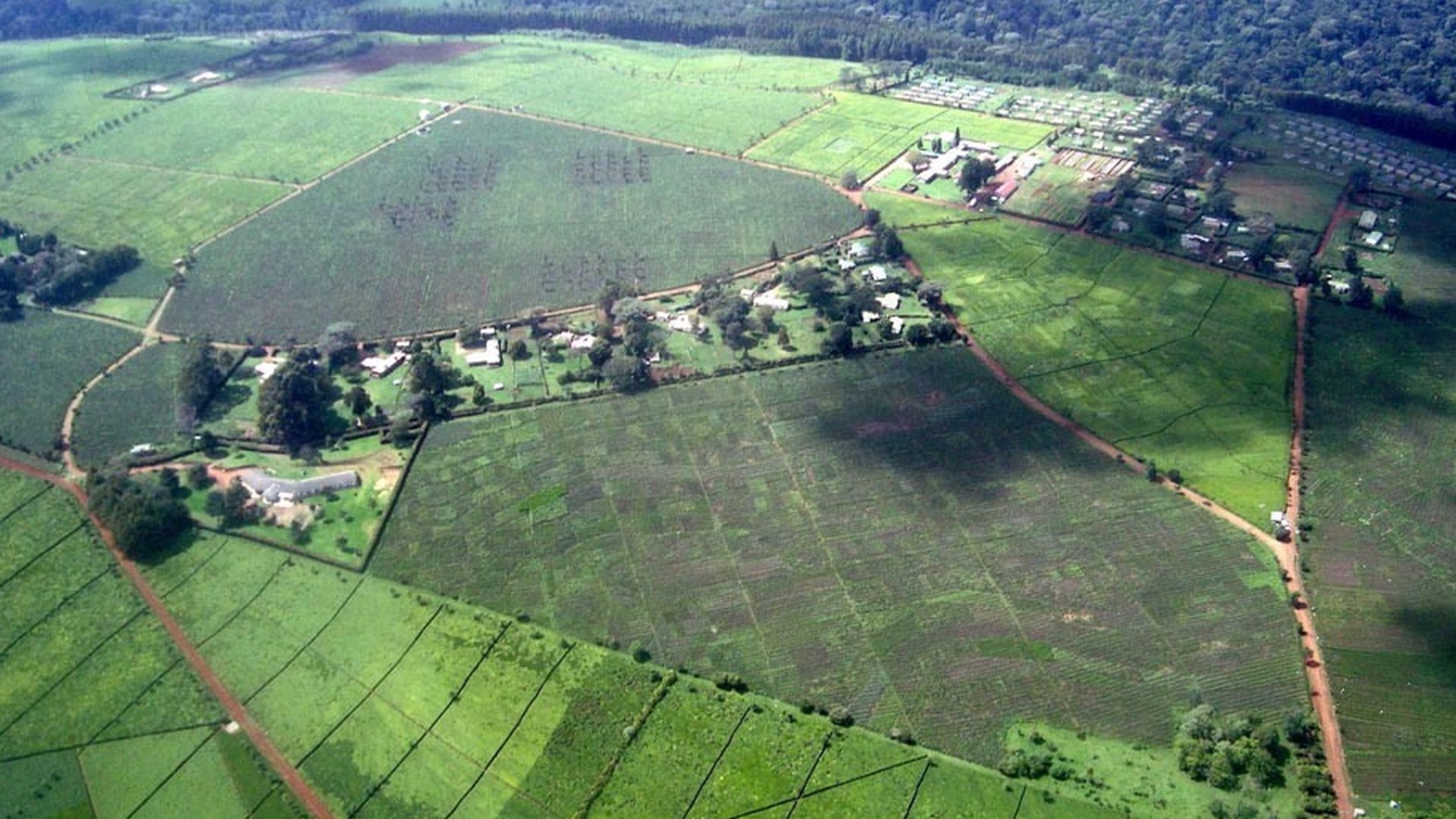
Land fragmentation in Nepal rarely makes headlines. Yet it’s reshaping the country from the ground up, quite literally. Across urban fringes and rural hillsides alike, large plots keep splitting into smaller ones. This practice, locally known as Kitta Kat, isn’t new. However, its pace and purpose have changed dramatically. Increasingly, subdivision serves speculative real estate trading rather than farming needs. In this article, we’ll explore what land fragmentation in Nepal really means, why it’s accelerating, and what it costs the country long-term.
What Is Kitta Kat, Exactly?
Let’s start with the basics. Kitta Kat refers to the formal process of subdividing a larger land plot into two or more smaller parcels. Each new parcel receives its own legal identity, known as a kitta number. Technically, this requires a certified survey. Surveyors measure boundaries, then submit updated maps to the local Malpot, or Land Revenue Office.
Originally, this process served practical purposes. Families divided ancestral land among heirs. Farmers separated parcels for irrigation or crop rotation. Over time, though, Kitta Kat evolved into something else entirely. Today, it’s frequently used to slice large tracts into small, marketable plots for real estate resale. This shift lies at the heart of land fragmentation in Nepal.
Why Land Fragmentation in Nepal Has Accelerated
Several forces have converged to speed up this trend. First, remittance income has flooded into the country over the past two decades. Migrant workers send money home, and much of it flows straight into land purchases. Consequently, demand for tradeable plots has surged, especially near urban centers.
Second, banks have historically extended generous loans against land collateral. This easy credit encouraged speculative buying rather than productive investment. Meanwhile, land itself became a preferred store of value. Because Nepal’s stock market and other investment options remain limited, real estate absorbed much of this speculative capital.
Third, inheritance customs play a role too. Nepali law generally divides parental property equally among heirs. Consequently, each generation splits family land further. Over decades, this steadily shrinks average holding sizes, even without any speculative motive involved.
Finally, weak enforcement of zoning rules allowed unchecked plotting near cities like Kathmandu, Pokhara, and Chitwan. Developers and individual landowners alike converted fertile farmland into housing colonies, often with little planning oversight. Together, these factors accelerated land fragmentation in Nepal well beyond its traditional pace.
The Numbers Behind Nepal’s Shrinking Plots
Data confirms this troubling trend clearly. According to Nepal’s National Sample Census of Agriculture, the average farm holding size fell from roughly 0.68 hectares in 2011/12 to about 0.55 hectares in 2021/22. That’s a meaningful decline within just one decade.
Parcel-level data tells a similar story. The average parcel size dropped from 0.21 hectares to 0.19 hectares over the same period. Meanwhile, the average number of parcels per holding reached 2.8, reflecting deep fragmentation across individual farms. Nationally, total agricultural land also shrank, falling from about 2.52 million hectares in 2011/12 to 2.22 million hectares in 2021/22. Yet the number of farming families actually grew during this period, from 3.36 million to 4.13 million households.
Put simply, more families are working smaller pieces of land. Furthermore, earlier census data showed that over 80 percent of farm holdings measured less than one hectare, with more than half falling below half a hectare. These figures illustrate just how far land fragmentation in Nepal has progressed.
Why This Matters for Agricultural Productivity
So, why should this trend concern anyone beyond farmers themselves? Smaller, scattered plots create real operational headaches. Farmers must travel between multiple parcels, often located in different parts of a village. This wastes time and increases labor demands significantly.
Additionally, fragmented land discourages mechanization. Tractors and modern equipment work efficiently on larger, contiguous fields. However, tiny, irregularly shaped plots make machinery use impractical or even impossible. As a result, farmers rely more heavily on manual labor, which raises production costs.
Fragmentation also complicates irrigation planning and crop protection efforts. Coordinating water access across many small, separately owned parcels proves genuinely difficult. Consequently, yields often suffer, even when farmers work hard and use quality inputs. Research from districts like Nawalparasi has directly linked fragmented holdings to reduced farm efficiency and higher management burdens.
Ultimately, this feeds into a larger food security concern. Nepal already imports significant food staples despite its agrarian identity. Continued land fragmentation in Nepal threatens to worsen this dependency over time, unless addressed seriously.
Land Fragmentation in Nepal Meets Real Estate Speculation
Here’s where the story shifts from tradition to speculation. In peri-urban zones surrounding Kathmandu, Pokhara, and other growing cities, land increasingly gets purchased purely for resale. Developers buy large agricultural tracts, subdivide them through Kitta Kat, then sell individual plots at inflated prices.
This process rarely benefits agriculture at all. Instead, it converts productive farmland into speculative housing inventory. Notably, this trend affects even prime food-producing areas. Fertile land near urban centers often faces the highest conversion pressure, precisely because it’s most valuable for real estate development.
Government policy has tried to intervene, with mixed results. The Land Use Regulations 2022 attempted to categorize land into distinct zones, agricultural, residential, commercial, and more. It also restricted plotting of small residential parcels within certain areas, aiming to curb speculative fragmentation. However, real estate industry groups pushed back hard, arguing the rules stalled the property market entirely. Eventually, authorities amended the regulations to reopen plotting activity. More recently, further reforms have continued loosening earlier fragmentation bans, prioritizing market liquidity over land conservation.
This back-and-forth policy environment highlights a core tension. Nepal wants both a functioning real estate sector and sustainable agricultural land use. So far, achieving both simultaneously has proven elusive.
Tracking the Trend: Average Plot Size as a Structural Metric
Given these dynamics, how should policymakers and researchers monitor this issue going forward? One particularly useful indicator stands out: average land holding plot size in urban and peri-urban zones, tracked consistently over time.
This metric matters because it captures the structural reality behind headline numbers. Total export or GDP figures can mask underlying land-use problems. However, tracking plot sizes directly reveals whether fragmentation is accelerating or stabilizing. A steadily shrinking average plot size signals ongoing speculative subdivision. Conversely, a stabilizing or growing average would suggest successful consolidation efforts.
Moreover, this metric works especially well in peri-urban zones, where speculation pressure runs highest. Rural hill districts experience fragmentation mainly through inheritance patterns. Peri-urban areas, by contrast, experience fragmentation driven primarily by real estate demand. Separating these two dynamics helps policymakers target interventions more precisely.
Regular, transparent reporting of this metric could also improve public accountability. Currently, land transaction data exists, but it’s scattered across various government offices and rarely analyzed systematically for fragmentation trends. Consolidating this data into a clear, trackable indicator would help Nepal respond more effectively.
What Could Slow Land Fragmentation in Nepal?
Fortunately, some potential solutions exist. Land pooling and consolidation programs offer one promising approach. These initiatives combine scattered parcels into larger, more efficient blocks, then redistribute organized plots back to original owners. Nepal has piloted such programs in select areas, though implementation remains inconsistent nationwide.
Stronger inheritance tax policies could also help. Currently, inherited property faces minimal taxation, which encourages continued land accumulation and subsequent splitting. Meanwhile, higher taxes on secondary or speculative land holdings might discourage purely speculative purchases.
Additionally, stricter zoning enforcement matters significantly. Clear, consistently enforced agricultural zones would protect fertile land from speculative conversion. However, this requires political will that has often been lacking, given real estate’s economic influence.
Finally, expanding formal credit and investment options beyond real estate could redirect remittance capital elsewhere. If Nepalis had more attractive investment vehicles, land might lose some of its appeal as a default speculative asset.
Final Thoughts on Land Fragmentation in Nepal
Land fragmentation in Nepal reflects a complex mix of tradition, economics, and weak governance. What began as simple inheritance practice has evolved into a speculative real estate pattern, quietly eroding the country’s agricultural base. Average holding sizes keep shrinking, year after year, while urban sprawl consumes increasingly fertile farmland.
Tracking average land holding plot size in urban and peri-urban zones offers a practical way to monitor this trend going forward. Without consistent measurement and firmer policy action, land fragmentation in Nepal will likely continue undermining both agricultural productivity and long-term food security. Addressing this challenge requires balancing property rights, market dynamics, and genuine agricultural sustainability, a difficult balance, but an essential one for Nepal’s future.
Frequently Asked Questions About Land Fragmentation in Nepal
What does Kitta Kat mean in Nepal’s land system?
Kitta Kat refers to the formal legal process of subdividing a larger land plot into smaller parcels, each assigned its own unique kitta number after a certified survey.
How much has Nepal’s average land holding size declined?
Nepal’s average farm holding size fell from about 0.68 hectares in 2011/12 to roughly 0.55 hectares in 2021/22, according to national agriculture census data.
Why is land fragmentation a problem for Nepal’s agriculture?
Fragmented plots make mechanization difficult, increase labor demands, and complicate irrigation. These factors reduce overall farm efficiency and threaten long-term food security.
Is land fragmentation in Nepal driven mainly by inheritance or speculation?
Both factors contribute. Rural areas see fragmentation mostly through inheritance division, while urban and peri-urban zones experience fragmentation largely from speculative real estate plotting.
What has the Nepal government done to control land fragmentation?
The Land Use Regulations 2022 introduced zoning categories and restricted certain small-plot subdivisions. However, enforcement has been inconsistent, and some restrictions were later loosened.
What metric best tracks land fragmentation over time?
Average land holding plot size in urban and peri-urban zones serves as a key structural metric, revealing whether speculative subdivision is accelerating or slowing over time.