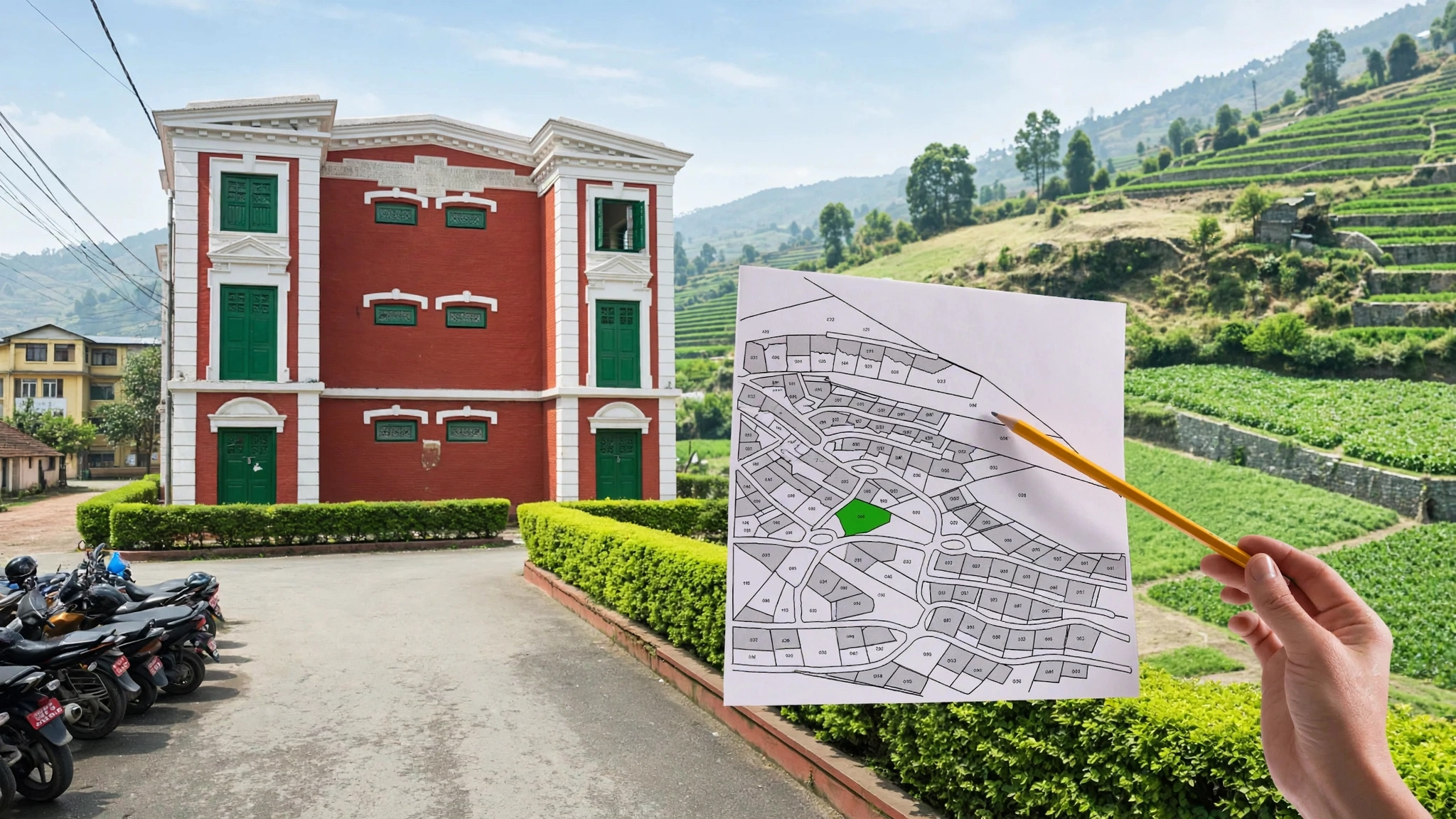
The Guthi property trust system shapes daily life across the Kathmandu Valley. Few outsiders fully understand it. Yet this ancient institution controls thousands of plots of land. It also funds temples, festivals, and community rituals that date back centuries.
This article unpacks the Guthi property trust system in plain terms. We cover its history, its legal structure, and the real challenges developers face today. By the end, you will understand why this system remains both treasured and controversial.
What Is the Guthi Property Trust System?
At its core, the Guthi property trust system is a land-based trust arrangement. Someone, often a king or wealthy family, donates land to a trust. That trust then funds religious, cultural, or charitable activities.
The word “guthi” originally referred to the corporate body overseeing these functions. Today, it also describes both the institution and the land tenure itself. According to historical records, the system dates back roughly to the Licchavi dynasty, making it over a thousand years old.
Traditionally, tenants cultivated Guthi land and paid a portion of their harvest to the trust. In return, that income supported temple maintenance, festival celebrations, and public rest houses called patis. This arrangement created a self-sustaining cycle of religious and community funding.
The Cultural and Religious Roots
Understanding the Guthi property trust system requires understanding Newar culture. The Newar community, indigenous to the Kathmandu Valley, built this system into the fabric of daily life.
Donating land to a Guthi was considered deeply meritorious. Hindu and Buddhist traditions held that such donations brought spiritual blessings across seven generations. Consequently, families viewed Guthi land not as a financial sacrifice, but as a sacred investment.
Beyond religion, the system carried practical benefits too. Historically, land registered as Guthi enjoyed protection from state confiscation. Seizing Guthi property was seen as a grave transgression. This protection encouraged many families to convert private land into Guthi trusts, especially during politically unstable periods.
Today, Guthi-funded activities still support major festivals. The Rato Machindranath Jatra and Indra Jatra, among others, rely partly on Guthi resources. Without this system, much of Kathmandu Valley’s living heritage would lose its financial foundation.
Types of Guthi Land
Not all Guthi land functions the same way. Broadly, the system splits into a few key categories.
Raj Guthi (Royal Guthi)
Raj Guthi land was established by kings and royal family members. It typically supports temples and major religious heritage sites. The government-run Guthi Sansthan, established in 1964, now manages most Raj Guthi land.
Private Guthi (Niji Guthi)
Private Guthi trusts were created by ordinary families or individuals. They serve specific religious or cultural purposes, often tied to a particular ancestral lineage or community group.
Guthi Numbari Land
This registered land requires the Guthi Sansthan to pay land revenue to the government, acting essentially as the landowner.
Guthi Tainathi Land
This land is not registered in any individual’s name. Instead, the Guthi Corporation holds exclusive rights over it directly.
Guthi Adhinastha Land
Here, the registration holder pays in-kind contributions to the Guthi Corporation, rather than holding full private ownership.
Each category carries different legal implications for use, transfer, and development. Therefore, identifying the exact type is the first step before any transaction.
The Legal Framework Governing Guthi Land
Several laws regulate the Guthi property trust system today. Together, they create a complex, sometimes overlapping legal structure.
- Guthi Corporation Act, 2033 (1976) – The primary statute establishing Guthi Sansthan and its authority over registered Guthi land.
- National Civil Code, 2074 (2017) – Governs general trust and social welfare arrangements, though it explicitly excludes Raj Guthi matters.
- Land Revenue Act and Land Act – Regulate registration, revenue payment, and tenure classification.
- Building Act, 1998, and Building Regulations – Apply once any development or construction is proposed on eligible land.
Notably, the National Civil Code’s general trust provisions do not apply to Raj Guthi land or temple-owned property. This creates a separate legal track exclusively for Raj Guthi matters, adding another layer of complexity for anyone hoping to develop such land.
Can Guthi Land Be Bought, Sold, or Developed?
This is where most confusion arises. The short answer is: rarely, and only under specific conditions.
Most Guthi land is simply not for sale. It exists to generate income for religious or cultural purposes, not to be transferred as a private asset. However, a few exceptions exist.
Certain Raitan Numbari Guthi land, along with select Guthi Numbari plots, may be transferable. Historically, some tenant-cultivated Guthi land in Parsa and Bara districts, dating from the Rana era, gained ownership rights similar to private Raikar land. Even then, transactions require formal approval from Guthi Sansthan, alongside standard government land registration compliance.
Buying land that falls under a prohibited Guthi category is illegal. Furthermore, buyers risk losing the property entirely, without compensation, if the sale later proves invalid. Consequently, thorough due diligence is essential before any purchase.
The Development Challenge
Developing Guthi property trust land involves far more than a standard construction project. Multiple layers of approval and verification stand in the way.
Verifying Land Status First
Before anything else, developers must confirm the land’s Guthi classification. This means visiting the Land Revenue Office, known locally as the Malpot Office, to request a Lalpurja search. If the land shows Guthi registration, additional restrictions almost certainly apply.
Securing Guthi Sansthan Approval
Even where development is technically permitted, Guthi Sansthan approval remains mandatory. This corporation acts as the gatekeeper for registered Guthi land, and its decisions carry significant legal weight.
Meeting Standard Building Requirements
Once land clearance is confirmed, ordinary construction rules still apply. Developers must comply with the National Building Code, municipal zoning bylaws, and setback requirements. In Kathmandu Valley specifically, height restrictions and floor area ratio limits add further constraints.
Navigating Encumbrances and Disputes
Guthi land frequently carries complicated encumbrance histories. Overlapping tenant rights, unclear boundaries, and historic litigation are common. Legal experts routinely flag guthi-related claims as a distinct category of real estate dispute in Nepal, separate from ordinary title conflicts.
Financing Difficulties
Banks generally hesitate to accept Guthi-classified land as loan collateral. Since ownership rights remain restricted or ambiguous, mortgage approval becomes far more difficult than with standard private property. This financing gap discourages many potential developers from even attempting a project.
Why Reform Efforts Have Failed
Government attempts to modernize the Guthi property trust system have repeatedly stalled. The most notable example came in 2019, when the government introduced the controversial Guthi Bill.
That bill proposed nationalizing all Guthi land, including private trusts. Newar communities across Kathmandu Valley responded with mass protests. Critics argued the bill threatened centuries of cultural autonomy and risked erasing community control over sacred spaces.
Facing intense public pressure, the government ultimately withdrew the bill. This episode illustrates a recurring tension. Officials want streamlined, modern land management. Communities want to preserve traditional guardianship over ancestral trusts. Balancing these competing goals remains an unresolved policy challenge.
Financial Struggles Facing the Guthi System
Beyond legal complexity, the Guthi property trust system faces a quieter financial crisis. Traditionally, grain cultivation revenue funded temple maintenance and festivals. However, falling grain prices have eroded this income source significantly.
As a result, Guthi Sansthan increasingly leases land to individuals or businesses, or builds commercial complexes to generate rental income. While this approach raises needed funds, critics worry it slowly shifts the system away from its original cultural purpose.
Meanwhile, historic encroachment remains a persistent problem. Over the decades, both state institutions and private individuals have occupied or effectively seized Guthi land. Iconic buildings like Singha Durbar reportedly sit on land once cultivated under Guthi arrangements. Reversing decades of encroachment presents an enormous practical and legal challenge.
Best Practices for Anyone Considering Guthi Land
Given these complexities, caution is essential. Anyone exploring a transaction involving Guthi property should follow a few core steps.
- Confirm land classification first. Always check Lalpurja records at the Malpot Office before proceeding further.
- Cross-verify with Guthi Sansthan directly. Independent confirmation prevents costly, avoidable mistakes.
- Assume most Guthi land is non-transferable. Treat any claimed exception with heightened scrutiny.
- Engage a specialized property lawyer. Guthi-related disputes require niche legal expertise, not general real estate knowledge.
- Expect financing hurdles. Plan alternative funding, since conventional mortgages rarely apply to Guthi-classified land.
- Never skip building permit compliance. Even where land use is approved, standard construction laws still fully apply.
Following these steps significantly reduces legal and financial risk.
Conclusion
The Guthi property trust system remains one of Nepal’s most fascinating, and most complicated, land institutions. It blends deep religious meaning with practical land management, creating a structure unlike anything found elsewhere in South Asia.
For developers and buyers, the Guthi property trust system demands careful navigation. Ownership restrictions, mandatory approvals, and cultural sensitivities all intersect here. Ultimately, respecting the system’s heritage while pursuing responsible development offers the best path forward for everyone involved.
Frequently Asked Questions About the Guthi Property Trust System
1. What is the Guthi property trust system in Nepal? It is a centuries-old land trust arrangement where donated land funds religious, cultural, or charitable activities, primarily among the Newar community of Kathmandu Valley.
2. Can Guthi land be legally purchased in Nepal? Most Guthi land cannot be sold. Only specific categories, such as certain Raitan Numbari or Guthi Numbari plots, may be transferable, and only with Guthi Sansthan approval.
3. Who manages Guthi land today? Guthi Sansthan, a government corporation established in 1964 under the Guthi Corporation Act, manages most registered Guthi land in Nepal.
4. Why was the 2019 Guthi Bill withdrawn? The bill proposed nationalizing all Guthi land, including private trusts. Mass protests from Newar communities in Kathmandu Valley led the government to withdraw it.
5. Can developers build on Guthi land? Development is possible only in limited cases, after confirming land classification, securing Guthi Sansthan approval, and complying with standard building and zoning laws.
6. Why do banks avoid accepting Guthi land as collateral? Because ownership rights on Guthi land are often restricted or shared with the trust, banks view it as high-risk collateral for mortgage lending.
7. What happens if someone buys prohibited Guthi land? Such purchases are illegal. Buyers risk losing the property without compensation if the transaction is later found to violate Guthi regulations.